
What Makes Pitts 21 Different?
This self-ligating system uses a built-in sliding mechanism instead of elastic ties to hold the archwire. This helps the orthodontist guide tooth movement with better control while planning the smile with both function and appearance in mind.
Why Patients Choose This Treatment
Patients often choose this option because it is designed for more than straight teeth. The goal is to improve alignment, bite function, and smile balance while creating a result that looks natural for the patient’s face.

Better Control for Tooth Movement
The bracket design helps guide how teeth turn, tip, and align during treatment. With careful planning, the orthodontist can focus on tooth position, smile width, and how the upper and lower teeth fit together.
- Built-in sliding mechanism guides the archwire without elastic ties.
- Bracket design supports controlled tooth movement.
- Treatment planning focuses on alignment, bite, and smile shape.
- The final goal is a healthy, confident, natural-looking smile.
How Treatment Is Planned
Treatment begins with a complete orthodontic evaluation. Dr. Kendrick reviews tooth position, bite relationship, smile line, and facial balance before placing the brackets. After braces are removed, retainers are used to help keep the teeth stable.
Adults Can Get This Treatment
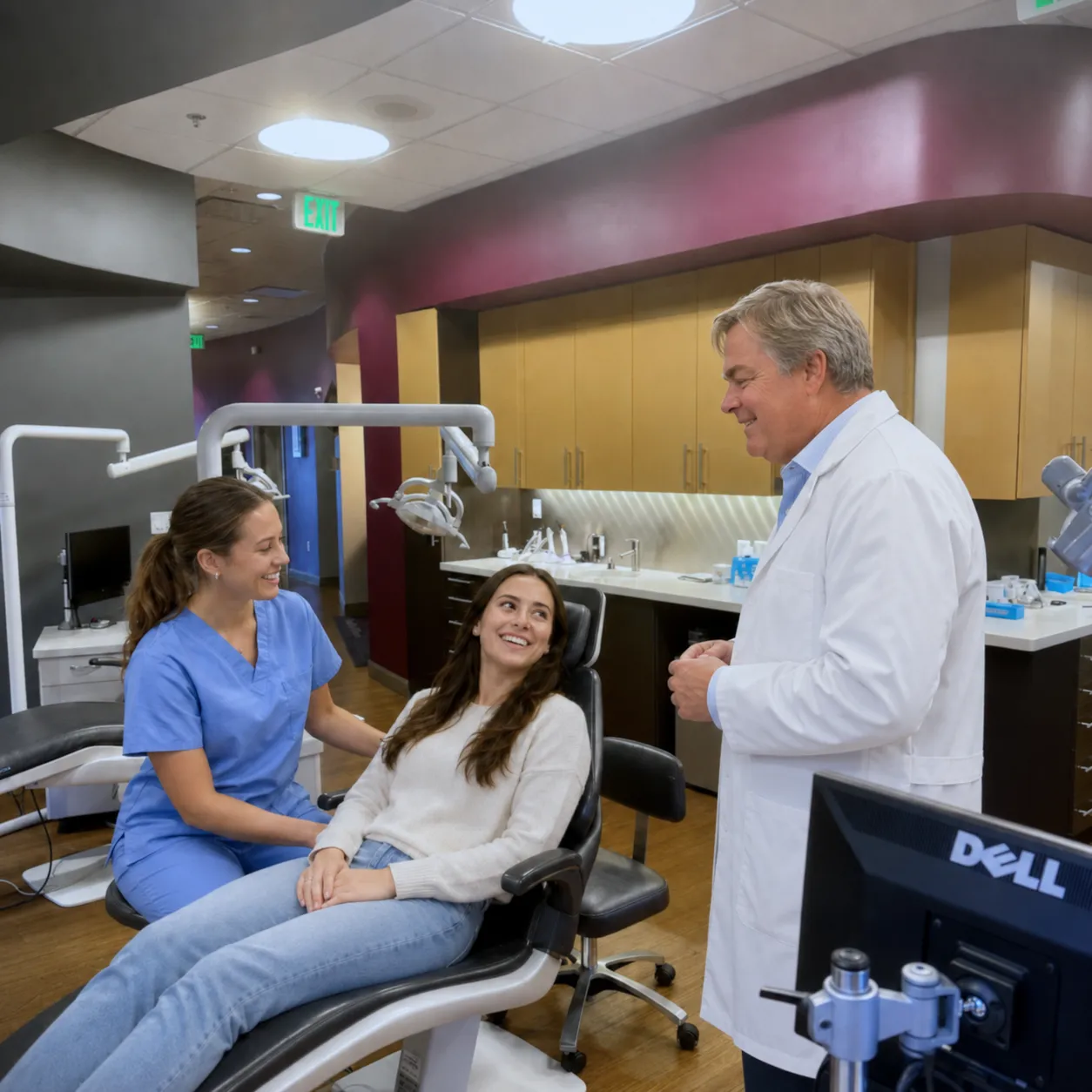
Adult patients can be good candidates when they want to improve tooth alignment, bite function, and overall smile balance. Dr. Kendrick evaluates the teeth, bite, facial balance, and treatment goals to decide whether this braces option is appropriate for each patient.
What Adults Should Know
Treatment time depends on the complexity of the case. These brackets are designed to be small, smooth, and low-profile, but they are still metal braces. During the consultation, we explain the expected treatment plan, comfort, treatment length, and retainer needs.
Dr. Kendrick's Evaluation Process
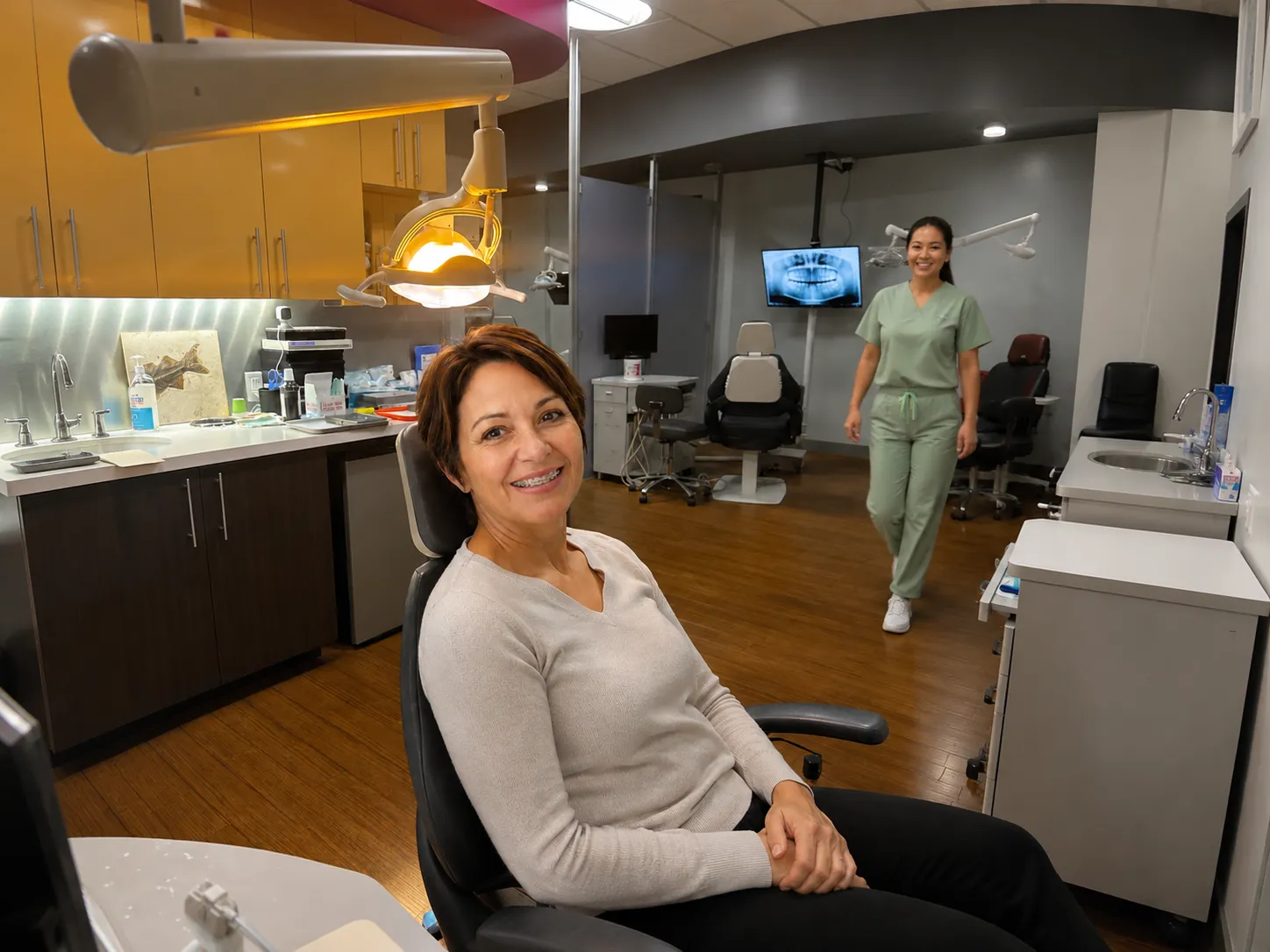
Before recommending this braces option, Dr. Kendrick completes a careful orthodontic evaluation using advanced digital records. He reviews tooth alignment, bite relationship, smile line, and facial balance to understand what each patient needs.
The evaluation may include:
- iTero digital scan of the teeth and bite
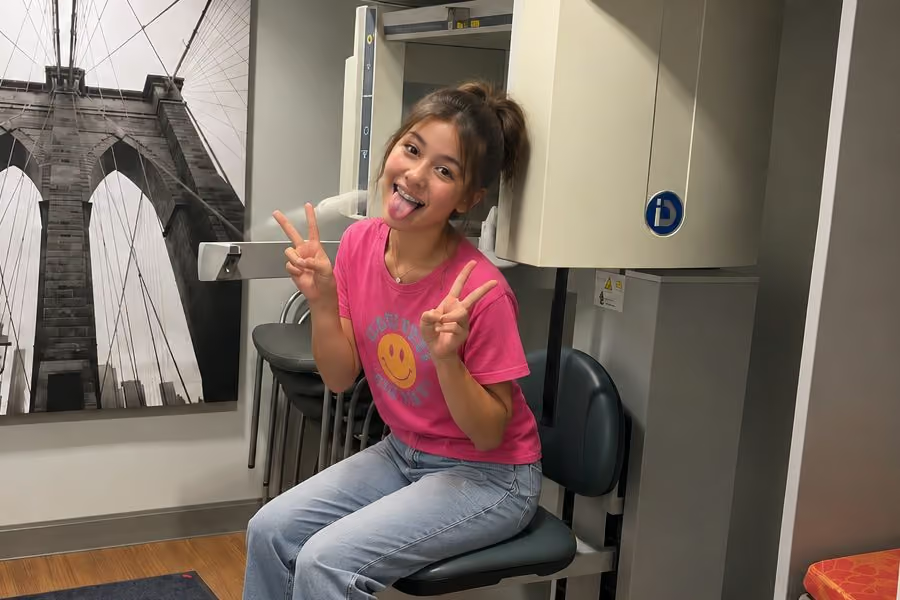
- Advanced 3D CBCT imaging to assess jaw structure, growth patterns, and airway
- Clinical examination of tooth position and bite function
- Analysis of growth stage and skeletal development
This information helps create a personalized treatment plan based on the patient’s bite, smile goals, and long-term stability.
TREATMENT FAQs
Have questions about Pitts 21 Braces or your first visit? Here are a few common questions we hear from patients and parents.
This system uses a built-in sliding mechanism to hold the wire instead of elastic ties. The goal is more controlled tooth movement and a clean, balanced smile result.
Patients may feel pressure or soreness after braces are placed or adjusted. This is normal and usually improves as the teeth begin to move.
Treatment time depends on the bite, crowding, spacing, and overall case complexity. After the evaluation, Dr. Kendrick will review the estimated treatment time.
Yes. Retainers are needed after braces to help keep the teeth stable and protect the final result.
Are braces easy to keep clean?Good brushing and regular cleaning are important with any braces. Our team will show you how to clean around the brackets and wire so your teeth and gums stay healthy during treatment.
What records are used to plan treatment?Treatment planning may include an iTero digital scan, orthodontic photos, and an i-CAT CBCT scan when needed. These records help Dr. Kendrick evaluate the teeth, bite, and jaw position before recommending treatment.
The best way to know is through a professional evaluation. Dr. Kendrick will assess your teeth, bite, jaw development, and treatment goals to give you a clear, honest recommendation.




.jpg)

.avif)