

What Is TMJ / TMD?
Dr. James Kendrick is a board-certified orthodontist with advanced expertise in TMJ/TMD, airway orthodontics, and complex bite and jaw conditions. His extensive clinical background includes both surgical and non-surgical orthodontic care, allowing him to evaluate how the teeth, jaw joints, airway, and facial structures may be contributing to discomfort or impaired function. Each evaluation includes a detailed clinical examination and, when appropriate, advanced 3D CBCT imaging. Dr. Kendrick explains his findings clearly, recommends treatment only when clinically appropriate, and works with other specialists when a patient’s needs extend beyond orthodontic care.
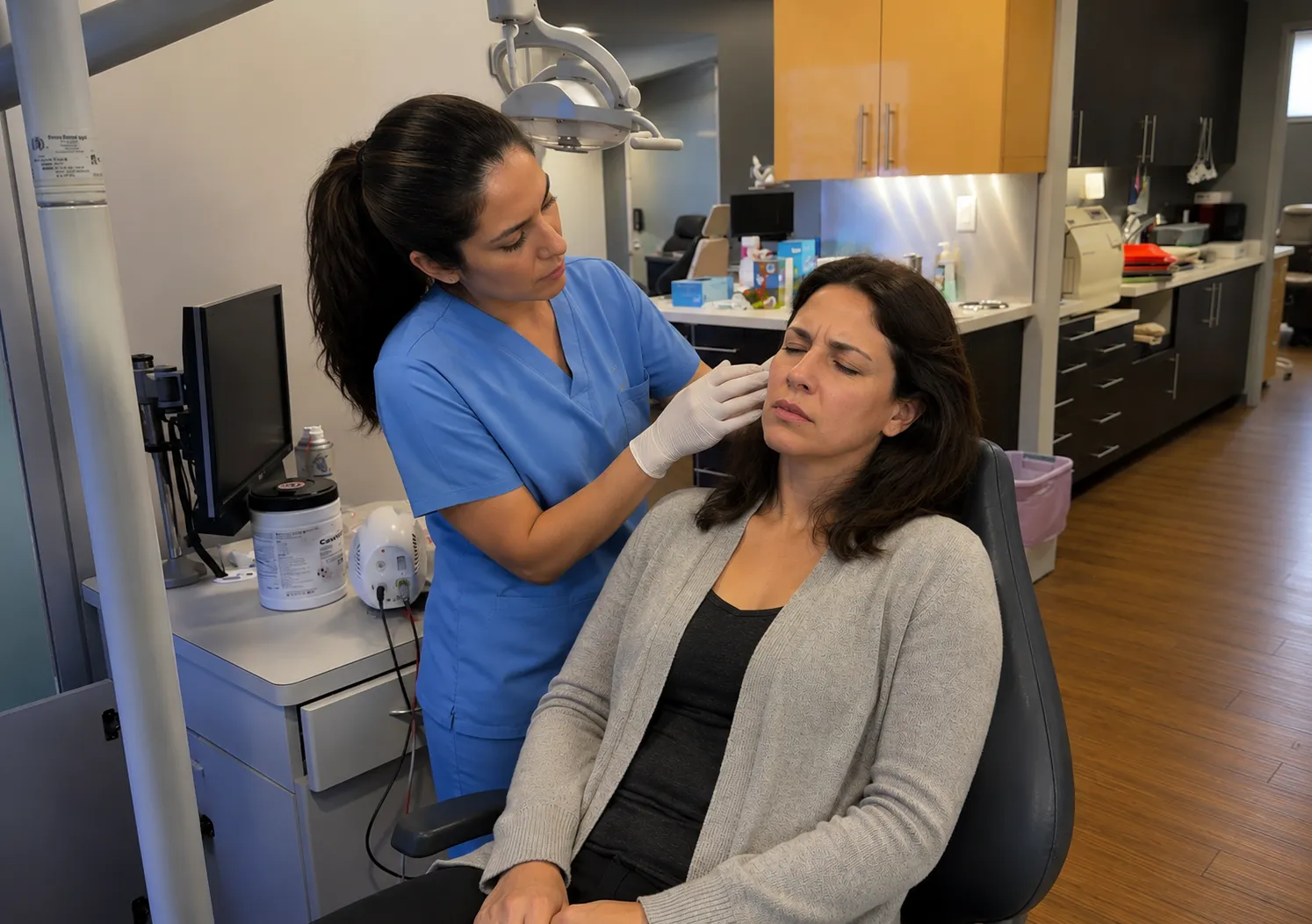
Common Signs of TMJ Problems
- Jaw pain or soreness, especially in the morning
- Clicking, popping, or grinding sounds when opening or closing the mouth
- Headaches, particularly around the temples
- Facial muscle tension or fatigue
- Neck or shoulder tension connected to jaw strain
- Difficulty opening the mouth fully
- A bite that feels uneven or uncomfortable
- Teeth clenching or grinding, especially during sleep
.webp)
How the Bite Can Affect Jaw Pain
When the upper and lower teeth do not come together evenly, the jaw joints and surrounding muscles compensate. Over time, this compensation can create strain, tension, and discomfort in the jaw, face, neck, and head.
Bite imbalance is one of the most overlooked contributors to TMD symptoms. Dr. Kendrick evaluates the relationship between your bite and your jaw function as part of every TMJ assessment — looking at how the teeth meet, how the jaw moves, and where strain may be occurring.
Dr. Kendrick's TMJ / TMD Evaluation
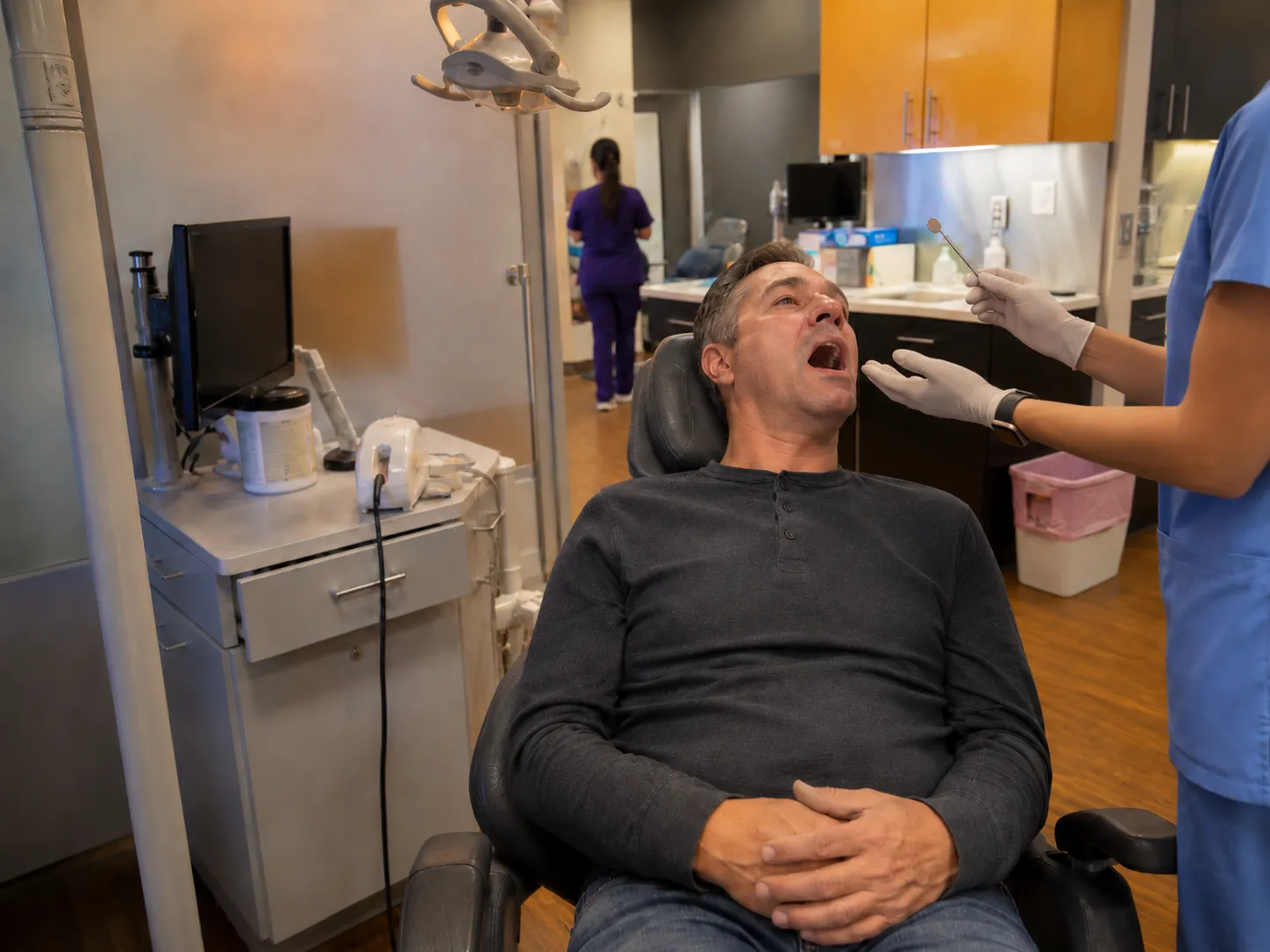
Dr. Kendrick uses a thorough clinical examination combined with advanced 3D CBCT imaging to evaluate the jaw joints, bite relationships, and surrounding structures in detail. This level of diagnostic precision allows him to identify contributing factors that a standard exam may not reveal.
Every patient receives a clear explanation of findings. Dr. Kendrick does not recommend treatment unless there is a clear clinical reason to do so. If orthodontic care is not the right path for your situation, he will tell you — and point you in the right direction.
Conservative TMJ Treatment Options
TMJ and TMD care at Kendrick Orthodontics begins conservatively. Depending on your evaluation findings, treatment may include:
- Bite analysis and orthodontic correction to address bite imbalance
- Occlusal splints or night guards to reduce clenching and grinding
- Braces or aligners to improve bite alignment and reduce jaw strain
- Coordinated care with specialists in physical therapy, oral medicine, or sleep health when appropriate
Dr. Kendrick does not take a one-size-fits-all approach. Treatment is selected based on what your specific case actually requires.

When TMJ Symptoms Are Connected to Airway problems or Jaw Structure
In some patients, TMJ symptoms are connected to a broader pattern involving the airway, jaw position, and how the body compensates for restricted breathing during sleep. Clenching and grinding at night, for example, can sometimes be related to airway disruption rather than stress alone.
When Dr. Kendrick identifies this type of connection during evaluation, he addresses it as part of the overall treatment plan. This integrated approach — looking at bite, jaw, and airway together — is part of what distinguishes the care at Kendrick Orthodontics.
TMJ / TMD FAQs
Have questions about jaw pain, clicking, headaches, or TMJ treatment? Here are answers to questions we hear most often from patients.
In cases where bite imbalance is contributing to TMD symptoms, correcting the bite can reduce strain on the jaw joints and muscles. Dr. Kendrick evaluates whether orthodontic treatment is appropriate for your specific situation before making any recommendation.
Conservative TMJ care is generally well-tolerated. Night guards and bite adjustments involve no discomfort. If more active orthodontic treatment is recommended, Dr. Kendrick will explain what to expect clearly.
Treatment length depends on the underlying cause and recommended approach. Some patients see improvement with conservative measures relatively quickly. Others require longer-term orthodontic correction. Dr. Kendrick provides a realistic timeline at your consultation.
No referral is needed. You can contact Kendrick Orthodontics directly to schedule a free consultation.
In some cases, yes. Nighttime clenching and grinding can be connected to disrupted breathing during sleep. Dr. Kendrick evaluates this relationship when relevant and addresses it as part of a complete treatment plan.
Coverage varies depending on your plan and the recommended treatment. Our team reviews your benefits at the consultation and explains all payment options, including no-interest monthly plans.
Dr. Kendrick will tell you honestly. If your symptoms require a different type of specialist, he will explain that clearly and help guide you in the right direction.




.jpg)

.avif)