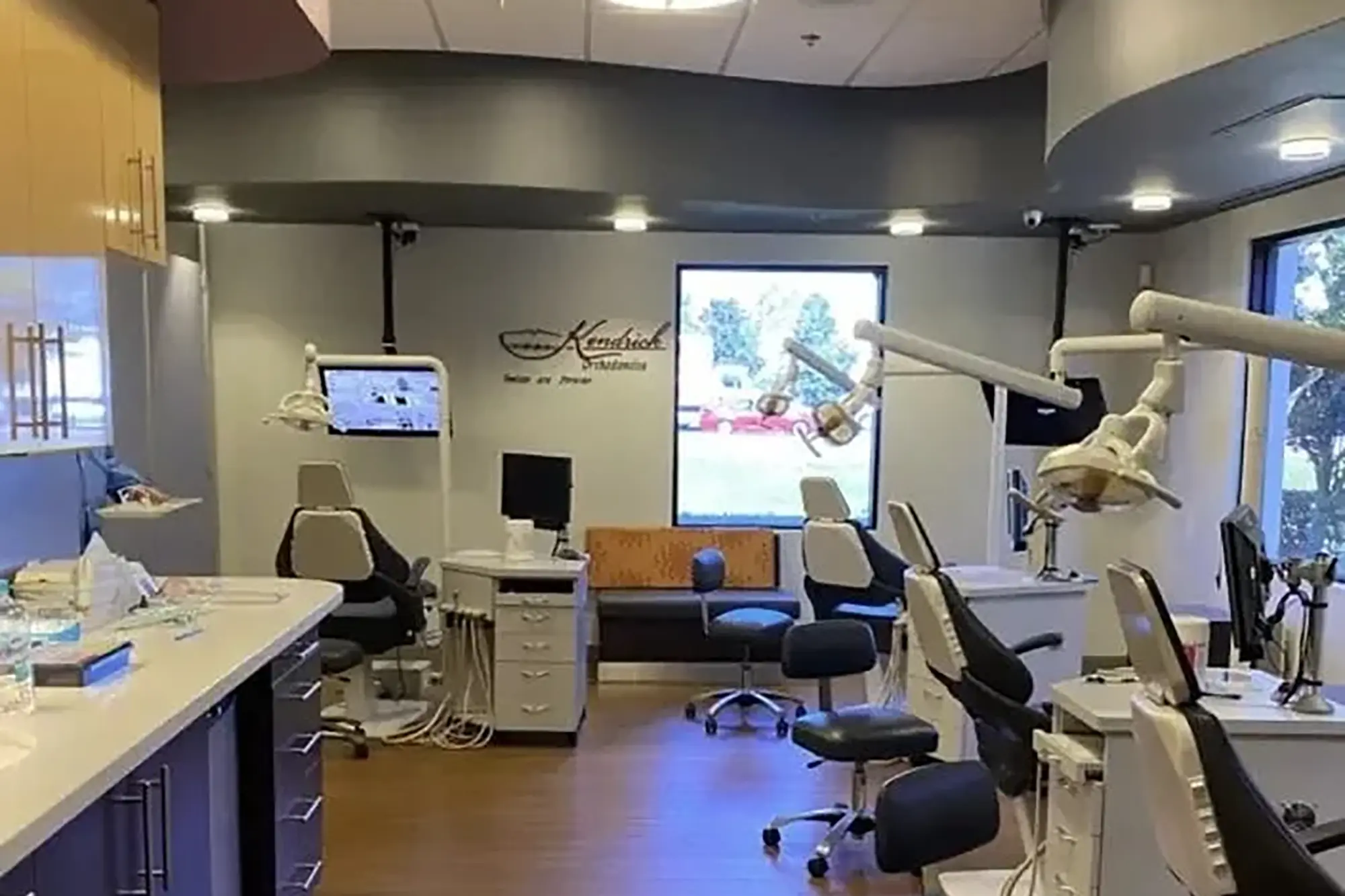
.webp)
What Is Surgical Orthodontics?
Surgical orthodontics, also called orthognathic treatment, combines orthodontic care with corrective jaw surgery. The goal is to address skeletal jaw discrepancies that are too significant to correct with braces or aligners alone.
Braces and aligners move teeth within the jaw. When the jaw bones themselves are positioned incorrectly — too far forward, too far back, too asymmetric, or mismatched in size — repositioning the jaw surgically is often the most effective and stable long-term solution.
Dr. Kendrick handles the orthodontic planning and treatment. An oral and maxillofacial surgeon performs the surgical procedure. The two work closely together throughout the process to ensure the treatment plan is precise and the outcome is well-coordinated.
When Is Surgical Orthodontics Considered?
Surgical orthodontics is considered only when the jaw position creates problems that braces, aligners, or expanders cannot fully correct. Dr. Kendrick reviews growth, bite function, facial balance, airway concerns, and 3D imaging before deciding whether jaw surgery should be discussed.
It may be considered when:
- The upper or lower jaw is too far forward or too far back
- The bite problem is too severe for orthodontics alone
- Jaw asymmetry affects facial balance or function
- Chewing, breathing, or long-term bite stability may benefit from jaw correction
- The patient’s jaw growth is complete
Not every complex case needs surgery. Dr. Kendrick’s goal is to find the most effective orthodontic solution and recommend surgical treatment only when it is truly necessary.
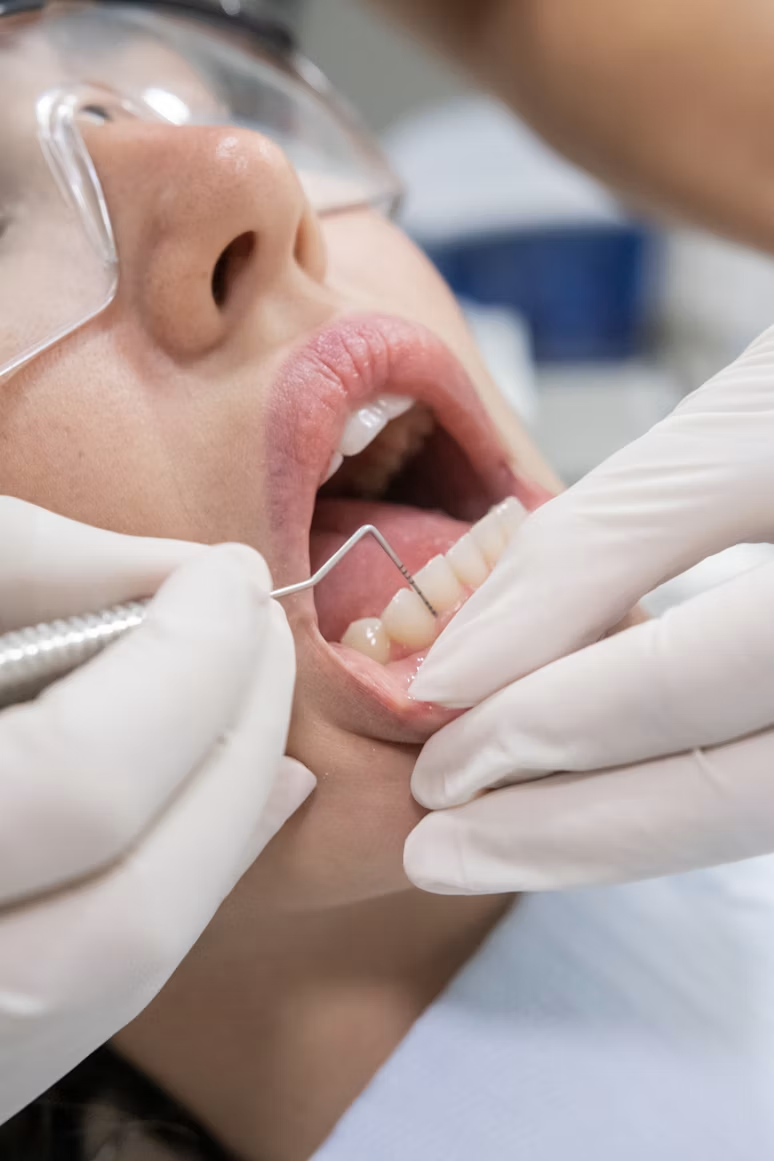
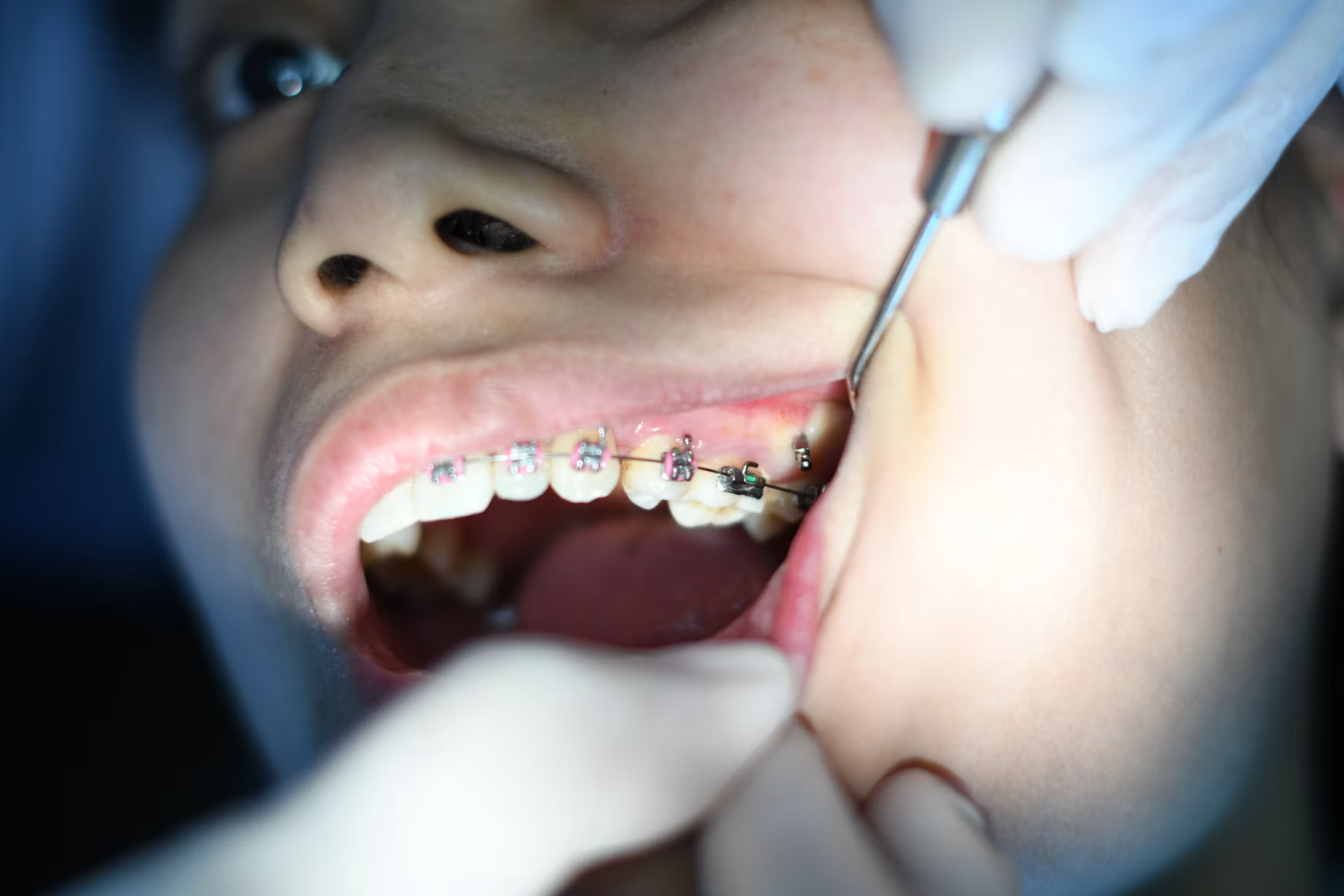
Common Conditions That May need Surgical Orthodontics
Some jaw and bite problems are caused by the position of the jaws, not just the teeth. Surgical orthodontics may be discussed when orthodontic treatment alone cannot fully correct the problem.
- Significant underbite
- Severe overbite caused by jaw position
- Open bite where the front teeth do not touch
- Facial or jaw asymmetry
- Severe crossbite caused by jaw imbalance
- Jaw problems that affect chewing, speaking, breathing, or long-term bite stability
How Surgical Orthodontics Works
Surgical orthodontics is usually completed in stages, with Dr. Kendrick planning the orthodontic treatment before and after jaw surgery.

Pre-surgical orthodontics
Before surgery, Dr. Kendrick uses braces to align the teeth within each jaw individually. This phase typically takes 12 to 18 months. It may temporarily make the bite look less even — this is expected and is part of preparing the teeth for proper alignment once the jaw is repositioned.

Jaw surgery
Once the teeth are aligned and the jaw are ready, the oral and maxillofacial surgeon repositions one or both jaws. Surgery is performed in a hospital setting under general anesthesia. Recovery typically involves several weeks of limited activity and a modified diet.

Post-surgical orthodontics
After the jaws have healed, Dr. Kendrick continues orthodontic treatment to fine-tune tooth alignment and stabilize the bite. This phase usually takes several more months.
Bite Function, Airway, and Jaw Alignment
Surgical orthodontics addresses more than appearance. Correcting significant jaw discrepancies can improve chewing efficiency, reduce strain on the jaw joints, and in some cases improve airway space that was restricted by jaw position.
Dr. Kendrick evaluates bite function, jaw movement, and airway relationships as part of every surgical orthodontics assessment. Treatment is planned with both functional and structural outcomes in mind.
Personalized Care for Complex Jaw and Bite Problems
Dr. Kendrick does not recommend surgical orthodontics lightly. Every case begins with a personalized evaluation of the patient’s bite, jaw position, airway, facial balance, 3D imaging, and all available treatment options. Non-surgical options are considered first whenever they can provide a healthy, stable result.
If surgical orthodontics is the right recommendation, Dr. Kendrick explains the full process clearly, including the timeline, what each phase involves, recovery expectations, and the realistic outcome. Patients and families are fully informed before any decision is made.
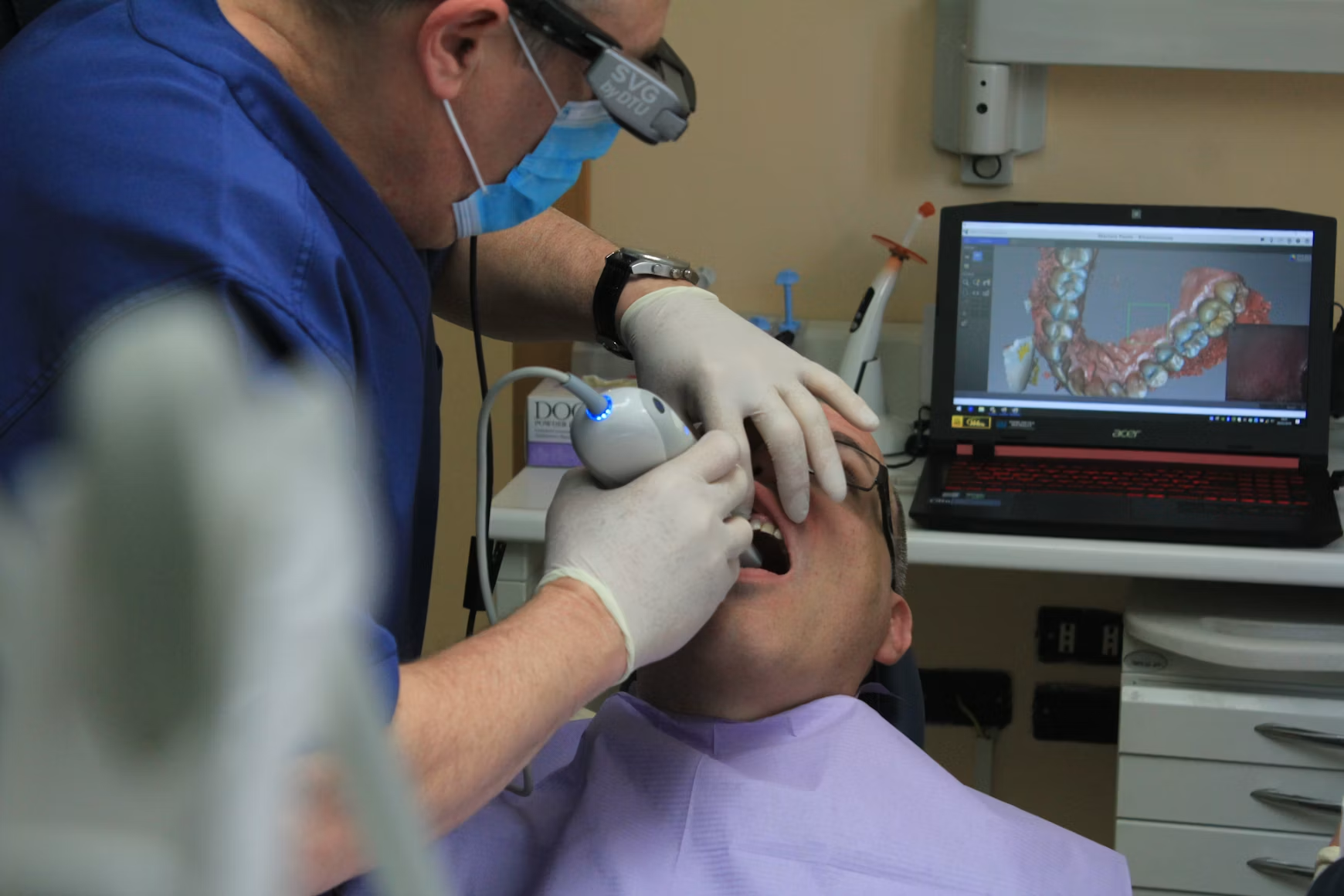
Dr. Kendrick's Evaluation and Planning Approach
Before recommending surgical orthodontics, Dr. Kendrick completes a detailed evaluation that includes:
- Comprehensive clinical examination of the bite, jaw, and facial structure
- Advanced 3D CBCT imaging to assess skeletal relationships in detail
- Digital treatment planning to map tooth movement and jaw positioning
- Coordination with the patient’s oral surgeon if surgery becomes part of the treatment plan
This detailed planning helps complex orthodontic cases move forward with precision. The goal is to create a treatment plan that supports a stable bite, better function, and balanced jaw alignment.
Surgical Orthodontics FAQs
Have questions about surgical orthodontics, jaw alignment, or treatment planning? Here are a few common questions patients ask before starting the evaluation process.
A thorough evaluation is the only way to know. Dr. Kendrick will assess your bite, jaw structure, and skeletal relationships using advanced imaging and give you a clear, honest recommendation. Many patients with jaw concerns do not require surgery.
Yes. Surgical orthodontic treatment is typically considered for adults whose jaw growth is complete. It is not appropriate for growing children or teens, because the jaw is still developing and other orthodontic approaches may be more effective at that stage.
Most surgical orthodontic treatment takes two to three years in total, including pre-surgical orthodontics, surgery, recovery, and post-surgical orthodontic refinement. Dr. Kendrick provides a detailed timeline estimate based on your specific case.
Dr. Kendrick does not perform jaw surgery. His role is to evaluate the bite, jaw position, airway, and orthodontic needs, then plan the orthodontic treatment before and after surgery. If surgery becomes part of the treatment plan, the surgical procedure is handled by an oral and maxillofacial surgeon.
Jaw repositioning can change the relationship between the upper and lower jaw, which may affect facial appearance. The amount of change depends on the type and extent of correction needed. Dr. Kendrick reviews the orthodontic goals clearly before treatment begins, and the surgical details are discussed with the doctor performing the surgery.
In many cases, jaw surgery related to functional bite correction is covered at least partially by medical insurance, as it is considered a medically necessary procedure rather than a cosmetic one. Orthodontic coverage through dental insurance may also apply. Our team helps you understand your benefits and payment options, including no-interest monthly plans.
No referral is needed. You can contact Kendrick Orthodontics directly to schedule a free consultation.




.jpg)


.avif)