Airway Orthodontics in Kissimmee, FL

When Breathing and Orthodontic Development Are Connected
A child who snores, sleeps with their mouth open, wakes up tired, or struggles to focus during the day may simply seem like a restless sleeper. Many parents do not immediately connect these concerns with jaw growth, palate width, or bite development.
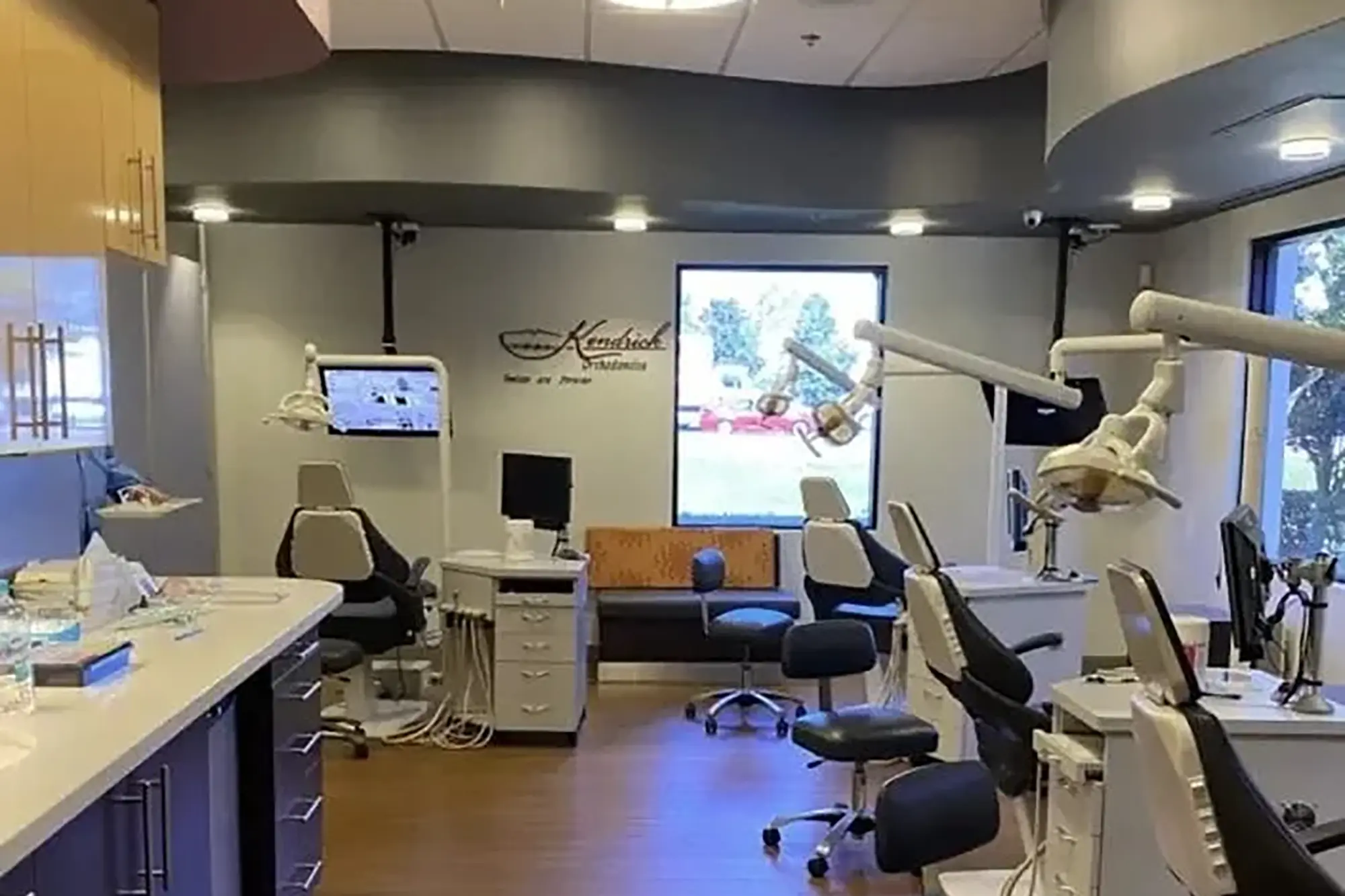
At Kendrick Orthodontics in Kissimmee, Dr. James Kendrick looks beyond straight teeth. He evaluates how a child’s teeth, jaws, bite, tongue space, facial development, and breathing patterns may be working together.
Airway-focused orthodontics does not diagnose or treat sleep apnea, and orthodontic treatment cannot guarantee better breathing or sleep. Its purpose is to identify orthodontic and developmental factors that may be contributing to a child’s symptoms—and determine whether monitoring, orthodontic treatment, or evaluation by another healthcare professional is appropriate.
What Is Airway Orthodontics?
Airway orthodontics considers how the teeth, jaws, palate, bite, facial growth, and breathing patterns relate to one another.
A narrow upper jaw, crowded teeth, an unbalanced bite, or limited space for the tongue may sometimes appear alongside mouth breathing, snoring, or restless sleep. These symptoms can have many causes, so an orthodontic examination is only one part of a complete evaluation.
For growing children, timing can be important. The jaws and facial structures are still developing, which gives Dr. Kendrick an opportunity to monitor growth and determine whether orthodontic guidance may be beneficial.
Not every child with airway-related symptoms needs braces or an expander. Sometimes observation is the right choice. In other situations, orthodontic treatment may help address a narrow palate, crossbite, crowding, or another developing concern.
Signs That May Deserve an Evaluation
Parents are often the first to notice that something does not seem quite right.
A child may sleep with their mouth open every night. Another may snore, grind their teeth, or wake up tired despite spending enough time in bed. A teacher may mention difficulty concentrating, while the parent notices that mornings are unusually difficult.
These signs do not automatically mean that a child has an airway disorder or needs orthodontic treatment. However, they may be good reasons to speak with an orthodontist, pediatrician, ENT, or sleep specialist.
Possible signs include:
- Frequent mouth breathing
- Snoring or noisy breathing during sleep
- Restless sleep or frequent waking
- Daytime tiredness or irritability
- Difficulty concentrating
- Teeth grinding or clenching
- Open-mouth resting posture
- Forward head posture
- A narrow-looking smile
- Crowded teeth
- A crossbite or other bite imbalance
- Dark circles under the eyes
- Bedwetting beyond the age when it would normally be expected
These symptoms may have dental, anatomical, behavioral, or medical causes. A careful evaluation helps determine whether orthodontic development may be part of the picture.
Why Early Evaluation Matters
The American Association of Orthodontists recommends that children receive their first orthodontic evaluation by age seven.
At this age, a child usually has a combination of baby and permanent teeth. That allows an orthodontist to evaluate how the permanent teeth are erupting, whether the jaws are developing proportionately, and whether the bite is moving in a healthy direction.
Early evaluation may identify:
- A narrow upper jaw
- Crowding or inadequate space for permanent teeth
- Crossbites
- Open bites or deep bites
- Underbites or significant overbites
- Bite asymmetry
- Poor tongue posture
- Mouth-breathing habits
- Facial growth patterns that deserve monitoring
- Signs that medical evaluation may also be helpful
An early visit does not mean that treatment must begin immediately. Many children are simply monitored as they grow.
When treatment is recommended, the goal may be to guide jaw development, correct a crossbite, create room for permanent teeth, or address another problem while the child is still growing.
How Dr. Kendrick Evaluates Airway Concerns
Dr. James Kendrick is a board-certified orthodontist with more than 45 years of experience treating children, teenagers, and adults.
He has helped thousands of patients with alignment, bite, jaw, and facial-development concerns. His advanced orthodontic and surgical training gives him a broad perspective when evaluating how the teeth, jaws, bite, and facial structures work together.
During an airway-focused orthodontic evaluation, Dr. Kendrick may consider:
- The width and shape of the upper jaw
- Tooth eruption and available space
- The way the upper and lower teeth fit together
- Jaw relationships and facial balance
- Tongue position and available tongue space
- Mouth-breathing or open-mouth resting posture
- Symptoms reported by parents
- Previous dental, orthodontic, ENT, or sleep evaluations
Depending on the child’s needs, the examination may include photographs, digital scans, X-rays, or three-dimensional imaging.
Parents should tell Dr. Kendrick what they observe at home. Snoring, restless sleep, teeth grinding, morning fatigue, and daytime behavior may not be visible during a short office visit, but that information can help complete the picture.
Orthodontic Treatment Options
Treatment depends on the child’s diagnosis. There is no single “airway appliance” that is appropriate for every patient.
Palatal Expansion
A palatal expander may be considered when a child has a narrow upper jaw, certain crossbites, crowding, or insufficient space for developing permanent teeth.
The appliance gradually widens the upper arch while the child is still growing. This may improve coordination between the upper and lower jaws and create additional room for teeth and the tongue.
Expansion may also influence oral or nasal dimensions in selected patients, but it should not be presented as a guaranteed treatment for snoring, sleep apnea, or another medical breathing condition.
Phase I Orthodontic Treatment
Phase I treatment is early orthodontic care provided while a child still has some baby teeth.
It may include an expander, limited braces, a growth-guidance appliance, habit correction, or another carefully selected approach. The purpose is to address a developing problem at an age when treatment may be more effective.
Phase I treatment does not always eliminate the need for braces or clear aligners later. Some children require a second phase after most permanent teeth have erupted.
Monitoring Growth
Sometimes the best recommendation is to wait.
If Dr. Kendrick sees a developing concern that does not yet require treatment, he may recommend periodic observation. Monitoring allows him to follow jaw growth, tooth eruption, bite development, and changes in symptoms over time.
Collaboration With Medical Providers
Airway and sleep concerns can involve more than orthodontics.
Persistent snoring, pauses in breathing, gasping during sleep, severe daytime sleepiness, or other significant symptoms deserve medical attention. An orthodontist does not replace a pediatrician, ENT specialist, sleep physician, or other qualified healthcare professional.
When appropriate, Dr. Kendrick may recommend that a family seek additional evaluation. Coordinated care helps ensure that the child’s dental development, breathing, sleep, and overall health are considered by the appropriate professionals.
Orthodontic treatment should be based on an orthodontic diagnosis—not used as a substitute for medical testing or treatment.
What Parents Can Expect
Many parents arrive at Kendrick Orthodontics without knowing exactly what is wrong.
They may say:
“My child always sleeps with their mouth open.”
“She snores, but I thought children simply grew out of it.”
“He sleeps all night but still wakes up exhausted.”
The consultation is an opportunity to discuss those observations without pressure or assumptions.
Dr. Kendrick explains what he sees, whether the teeth or jaws may be contributing, and what the next step should be. That may include treatment, monitoring, or a recommendation to consult another provider.
Parents should leave with a clearer understanding of the child’s development and a plan they can follow.
Frequently Asked Questions About Airway Orthodontics
Does mouth breathing mean my child needs orthodontic treatment?
No. Mouth breathing can have several causes. Some children may benefit from orthodontic treatment, while others need monitoring or evaluation by a pediatrician, ENT, allergist, or another healthcare professional.
Can orthodontics stop a child from snoring?
Orthodontic treatment may address a narrow jaw, crossbite, crowding, or limited oral space when those factors are present. It cannot guarantee that snoring will stop because snoring may have several dental and medical causes.
Can a palatal expander improve breathing?
Expansion may influence oral or nasal dimensions in selected growing patients. Results vary, and a palatal expander is not a guaranteed treatment for sleep apnea, snoring, or other medical breathing disorders.
What age should a child receive an airway-focused evaluation?
A first orthodontic evaluation is generally recommended by age seven. Children with significant crowding, crossbites, chronic mouth breathing, snoring, or other concerns may benefit from evaluation earlier, depending on the recommendation of their dentist or physician.
Does airway orthodontics replace a sleep study?
No. An orthodontic evaluation cannot diagnose sleep apnea and does not replace a medical sleep study. Children with suspected sleep-disordered breathing may require evaluation by a pediatrician, ENT specialist, or sleep physician.
Will my child need braces after early treatment?
Possibly. Early treatment may address jaw growth, crossbite, crowding, or another developing concern. A later phase of braces or clear aligners may still be recommended after the permanent teeth erupt.
Do we need a referral?
No dental referral is required to schedule an orthodontic consultation with Dr. Kendrick. Parents may contact Kendrick Orthodontics directly.
Schedule an Airway Orthodontic Evaluation in Kissimmee
If your child regularly breathes through their mouth, snores, sleeps restlessly, or wakes up tired, you do not need to determine the cause on your own.
An evaluation with Dr. James Kendrick can help determine whether jaw growth, palate width, tooth position, or bite development may be contributing—and whether orthodontic treatment, monitoring, or medical evaluation should be considered.
Schedule a complimentary consultation with Kendrick Orthodontics in Kissimmee or call (407) 870-9848.
We will listen to your concerns, explain what we see, and help you understand the next appropriate step.


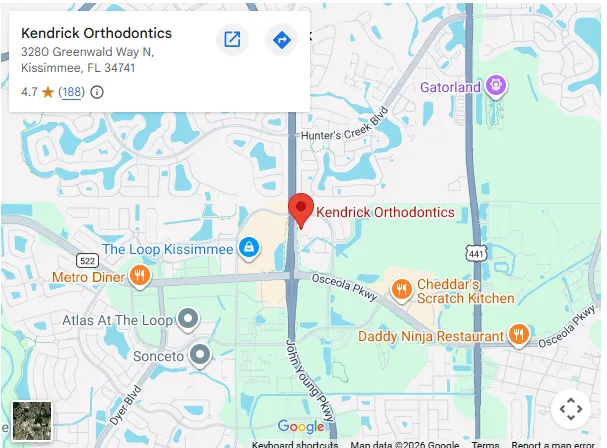
Kendrick Orthodontics
3280 Greenwald Way NKissimmee, FL 34741
Get Directions
(407) 870-9848
info@kendrickorthodontics.com
Kendrick Orthodontics offers comprehensive orthodontic care including clear aligners, TMJ/ TMD care and Custom and Damon Braces for both children and adults in and around the following areas: