Crossbite Treatment in Kissimmee, Florida

What Is a Crossbite?
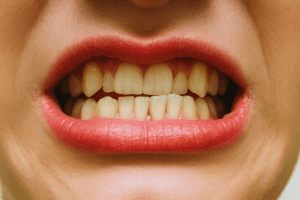
A crossbite is a bite problem in which some of the upper teeth fit inside the lower teeth instead of outside when you bite together.
It can affect the front teeth, back teeth, or both. A crossbite may appear on one side of the mouth or on both sides.
Crossbites often occur with a narrow upper jaw, dental crowding, or a shifted bite in which the jaw slides slightly to one side when closing. Some are easy to see, while others are noticed only during a dental or orthodontic examination.
At Kendrick Orthodontics, we provide crossbite treatment in Kissimmee, Florida, for children, teens, and adults. An orthodontic evaluation can determine what type of crossbite is present and which treatment options may be appropriate.
Signs You or Your Child May Have a Crossbite
Common signs of a crossbite include:
- One or more upper teeth biting inside the lower teeth
- Upper and lower front teeth that do not line up in the center
- A smile that looks narrow or shifted to one side
- Frequent biting of the cheeks or gums while chewing
- Uneven wear on certain teeth
- A jaw that shifts to one side when the teeth come together
Sometimes a parent notices that a child always moves the jaw to one side before biting down. Other times, the first clue is a worn tooth, gum irritation, or a comment from the family dentist.
If you notice any of these signs, an orthodontic evaluation can help determine what is happening and whether treatment or monitoring is appropriate.
Why a Crossbite Can Be a Problem
A crossbite may look minor at first, especially when it affects only one or two teeth. Over time, however, an uneven bite can place additional pressure on certain teeth, gums, and jaw muscles.
Depending on the type and severity, a crossbite may contribute to:
- Uneven tooth wear or chipping
- Gum recession around affected teeth
- Difficulty chewing comfortably on both sides
- Uneven jaw development in some growing children
- Jaw-joint or muscle discomfort in some patients
Correcting a crossbite may improve how the teeth fit together and reduce uneven pressure. The expected benefits depend on the patient’s specific bite and treatment needs.
.png)
What Causes a Crossbite?
A crossbite may develop for several reasons:
- A naturally narrow upper jaw
- Differences in the width or position of the upper and lower jaws
- Dental crowding
- Early loss of baby teeth that affects how permanent teeth erupt
- Oral habits that influence tooth or jaw development
- Genetics
- A combination of tooth-position and jaw-position factors
During an evaluation at Kendrick Orthodontics, Dr. James Kendrick may use photographs, X-rays, a clinical examination, and digital scanning to determine whether the crossbite is related primarily to tooth position, jaw width, or both.
That distinction matters because two patients may appear to have similar crossbites but need different treatment approaches.
Crossbite Treatment for Children and Teens
For growing patients, timing can make a meaningful difference because the teeth and jaws are still developing.
The American Association of Orthodontists recommends an initial orthodontic check-up no later than age 7. This does not mean every seven-year-old needs braces. It gives an orthodontist an opportunity to identify developing concerns—including crossbites—and determine whether treatment or continued monitoring is appropriate.
Palatal Expanders
For some children and teens with a narrow upper jaw, a palatal expander may be recommended to gradually widen the upper arch and improve how the upper and lower teeth fit together.
Not every crossbite requires an expander. The recommendation depends on the child’s dental development, jaw growth, bite, and individual treatment needs.
Braces and Elastics
Braces can provide detailed control of tooth movement and may be combined with elastics to correct certain anterior or posterior crossbites.
For example, a child with a narrow upper jaw and a crossbite on one side may begin with an expander. After the necessary expansion is completed, braces may be used to align the teeth and refine the bite.
The exact sequence and length of treatment vary from patient to patient.
Crossbite Treatment for Adults
Adults can also receive treatment for many types of crossbite. Because adult jaw growth is complete, the approach may differ from treatment for a growing child or teenager.
Depending on the individual case, treatment options may include:
- Braces with elastics
- Clear aligners with attachments or elastics
- Expansion using an appropriate orthodontic appliance
- Coordinated orthodontic and surgical treatment for certain significant skeletal crossbites
Some adults tell us, “My teeth look fairly straight, but my bite has never felt even.” Others first seek an evaluation after noticing uneven tooth wear, gum recession, or discomfort when chewing.
An examination is necessary to determine which options may be appropriate.
When Might MARPE Be Recommended?
For some teens and adults with a narrow upper jaw, Dr. Kendrick may recommend MARPE, or mini-implant assisted rapid palatal expansion.
This appliance uses temporary anchorage to assist with upper-jaw expansion. Whether MARPE is appropriate depends on factors such as the patient’s age, anatomy, jaw width, and treatment goals.
Braces or clear aligners may be used after expansion to complete tooth alignment and bite correction.
Braces vs. Clear Aligners for Crossbite Correction
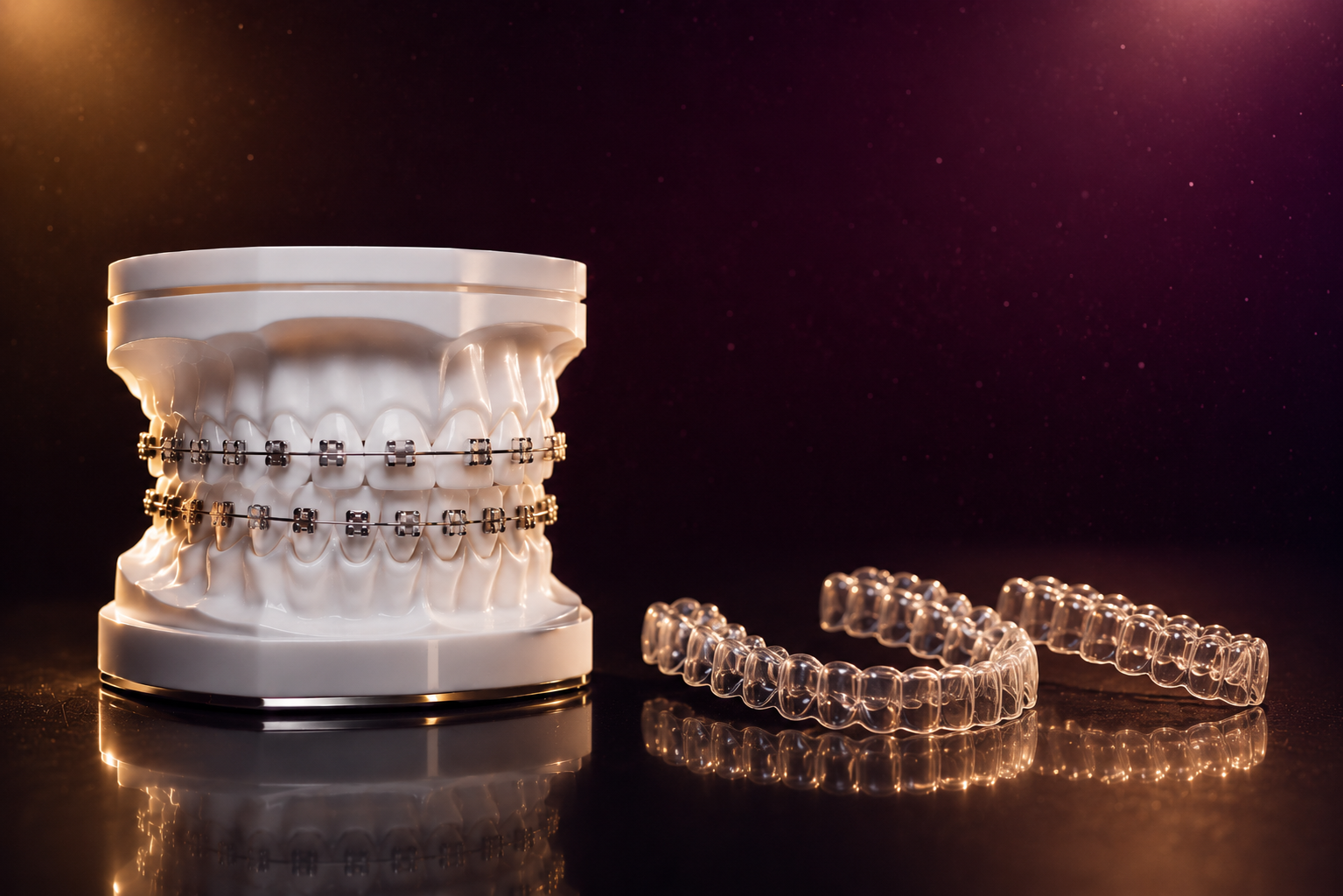
Both braces and clear aligners may be used to treat certain crossbites. One option is not automatically better for every patient.
Braces
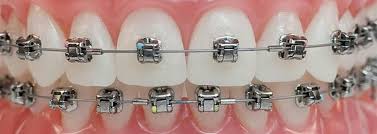
Braces may be considered when:
- The crossbite requires detailed tooth control
- Several teeth are affected
- Elastics or expansion are part of the treatment plan
- More complex tooth movement is required
Because braces remain attached to the teeth, they work continuously and do not depend on remembering to put them back in after meals.
Clear Aligners
Clear aligners may be considered when:
- The required tooth movements can be managed with aligners
- The patient prefers a removable, less noticeable appliance
- The patient can wear the aligners as directed
- Attachments or elastics can provide the necessary additional control
At your consultation, Dr. Kendrick can explain which option is better suited to your particular crossbite, lifestyle, and treatment goals.
When Should You See an Orthodontist About a Crossbite?
Consider scheduling an orthodontic evaluation if:
- Some upper teeth bite inside the lower teeth
- Your child’s smile looks narrow or shifted to one side
- The jaw shifts when the teeth come together
- You or your child frequently bite the cheek or gums
- Certain teeth show uneven wear
- The bite feels uneven or uncomfortable
- A dentist has identified a possible crossbite
An evaluation does not automatically mean that treatment must begin immediately. In some cases, monitoring growth and dental development may be the most appropriate next step.
Frequently Asked Questions About Crossbites
Can a crossbite correct itself?
A crossbite does not usually correct itself, although the bite may change as a child grows and permanent teeth emerge. An orthodontist can determine whether monitoring or treatment may be appropriate.
At what age should a crossbite be evaluated?
A crossbite can be evaluated whenever it is noticed. The American Association of Orthodontists recommends an initial orthodontic check-up no later than age 7 because an orthodontist can evaluate developing teeth and jaw relationships at that stage.
Can braces correct a crossbite?
Braces may correct many dental crossbites by moving the affected teeth into improved positions. Some cases may also require elastics, expansion, or another orthodontic component.
Can Invisalign correct a crossbite?
Invisalign or another clear-aligner system may be appropriate for certain crossbites. Suitability depends on the required tooth movements, jaw relationships, complexity of the case, and the patient’s ability to wear the aligners as directed.
Do adults with crossbites always need jaw surgery?
No. Some adult crossbites may be treated with braces, clear aligners, elastics, or expansion. Significant skeletal crossbites may require coordinated orthodontic and surgical treatment. An examination is necessary to determine the appropriate approach.
Crossbite Treatment in Kissimmee, FL
Correcting a crossbite may improve how the teeth fit together, make chewing more comfortable, and reduce uneven pressure on the teeth and gums.
At Kendrick Orthodontics in Kissimmee, Florida, board-certified orthodontist Dr. James Kendrick evaluates each patient’s teeth, bite, and jaw relationships before recommending treatment. Depending on the patient’s needs, options may include expanders, braces, clear aligners, MARPE, or coordinated care.
If you are concerned about a possible crossbite for yourself or your child, call (407) 870-9848 or schedule a free consultation to learn which options may be appropriate.

Kendrick Orthodontics
3280 Greenwald Way NKissimmee, FL 34741
Get Directions
(407) 870-9848
info@kendrickorthodontics.com
Kendrick Orthodontics offers comprehensive orthodontic care including clear aligners, TMJ/ TMD care and Custom and Damon Braces for both children and adults in and around the following areas: