Orthodontic Retainers in Kissimmee, FL: Keep Your Smile Straight
Your Smile Is Straight—What Comes Next?
The day your braces come off—or you finish your final Invisalign aligner—is worth celebrating. You can finally see the smile you worked so hard to achieve.
Then comes the question almost every patient asks:
“Do I really have to wear a retainer?”
The short answer is yes. Retainers are an essential part of orthodontic treatment because teeth can gradually shift after braces or clear aligners.
At Kendrick Orthodontics in Kissimmee, Dr. James Kendrick helps children, teens, and adults protect their new smiles with personalized retention plans. The right retainer and wearing schedule depend on your teeth, bite, previous treatment, and individual needs.
Why Choose Kendrick Orthodontics for Retainer Care?
Retention is not an afterthought at Kendrick Orthodontics. It is part of protecting the result created through careful diagnosis and orthodontic treatment.
Dr. James Kendrick is board-certified by the American Board of Orthodontics and has more than 45 years of orthodontic experience. He looks beyond whether the front teeth appear straight. He also evaluates the patient’s bite, tooth positions, previous treatment, and long-term stability before recommending a retainer.
That experience is especially valuable when an old retainer no longer fits, teeth have shifted after previous treatment, or a bonded retainer has become damaged.
Each patient receives instructions based on individual needs rather than a one-size-fits-all schedule.
What Is an Orthodontic Retainer?
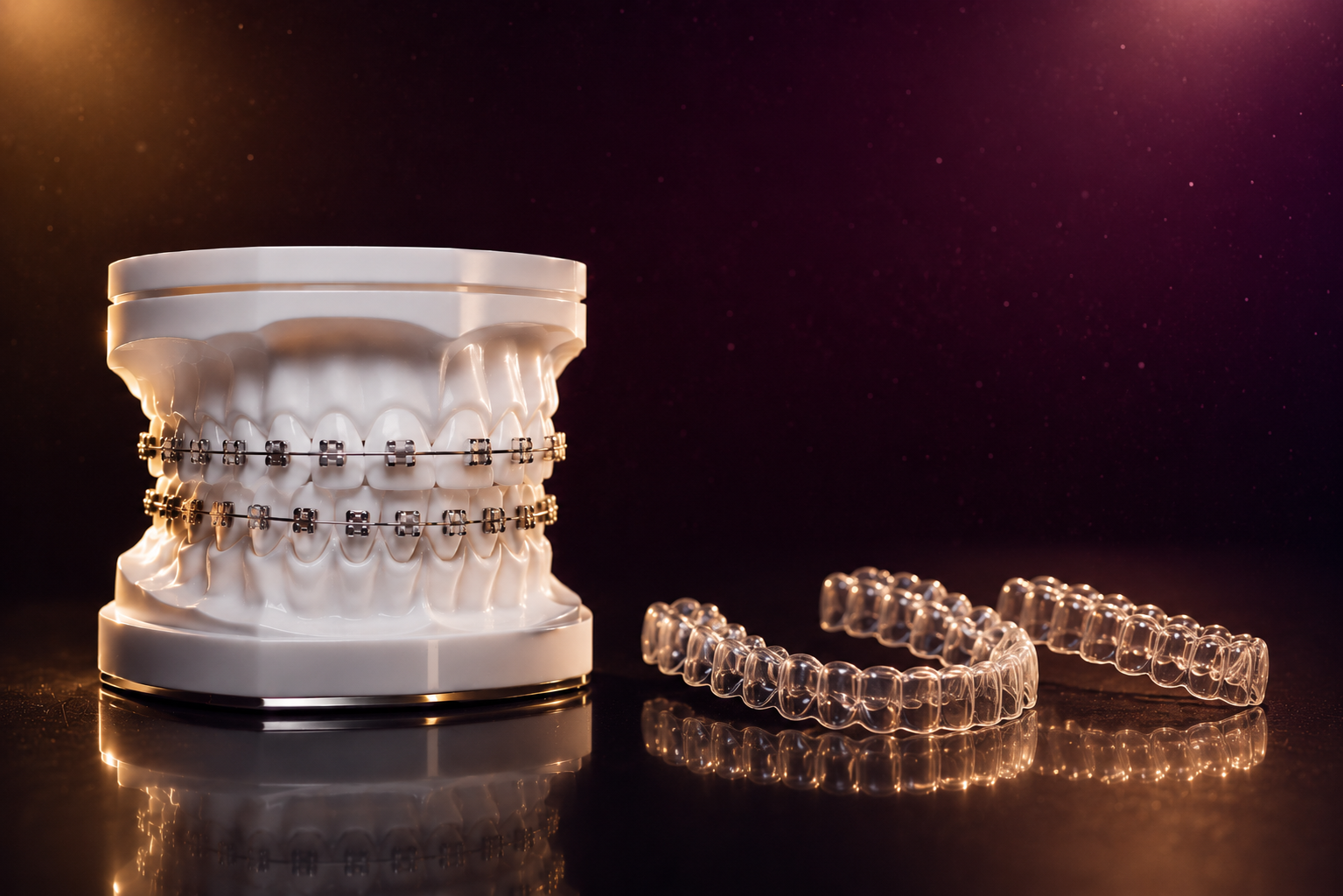
An orthodontic retainer is a custom-made appliance designed to hold your teeth in their corrected positions after braces or Invisalign treatment.
Braces and aligners move teeth by applying carefully controlled pressure. Once active treatment ends, the bone, gums, and other tissues surrounding the teeth need time to adjust.
Your teeth may look perfectly settled when the braces come off, but they have not signed a permanent lease in their new positions.
A retainer does exactly what its name suggests: it helps retain the new position of your teeth. Think of it as the quiet final stage of orthodontic care. Braces or aligners do the moving; retainers help preserve the result.
Why Are Retainers So Important?
Without consistent retainer wear, teeth may gradually move toward their previous positions. This is known as orthodontic relapse.
Some changes may be minor, while others can affect the appearance of your smile, the fit of your bite, or whether your retainer still fits.
Wearing your retainer as directed may help:
- Maintain the corrected position of your teeth
- Reduce unwanted shifting after treatment
- Support the long-term stability of your bite
- Protect the time and effort invested in braces or Invisalign
- Reduce the possibility of needing additional orthodontic treatment because of significant relapse
No retainer can guarantee that teeth will never change. However, consistent wear is one of the most effective ways to preserve your orthodontic results.
Types of Orthodontic Retainers
There is no single type of retainer that is right for everyone. Dr. Kendrick recommends an option based on your previous treatment, tooth positions, bite, age, and ability to care for the appliance.
Clear Removable Retainers
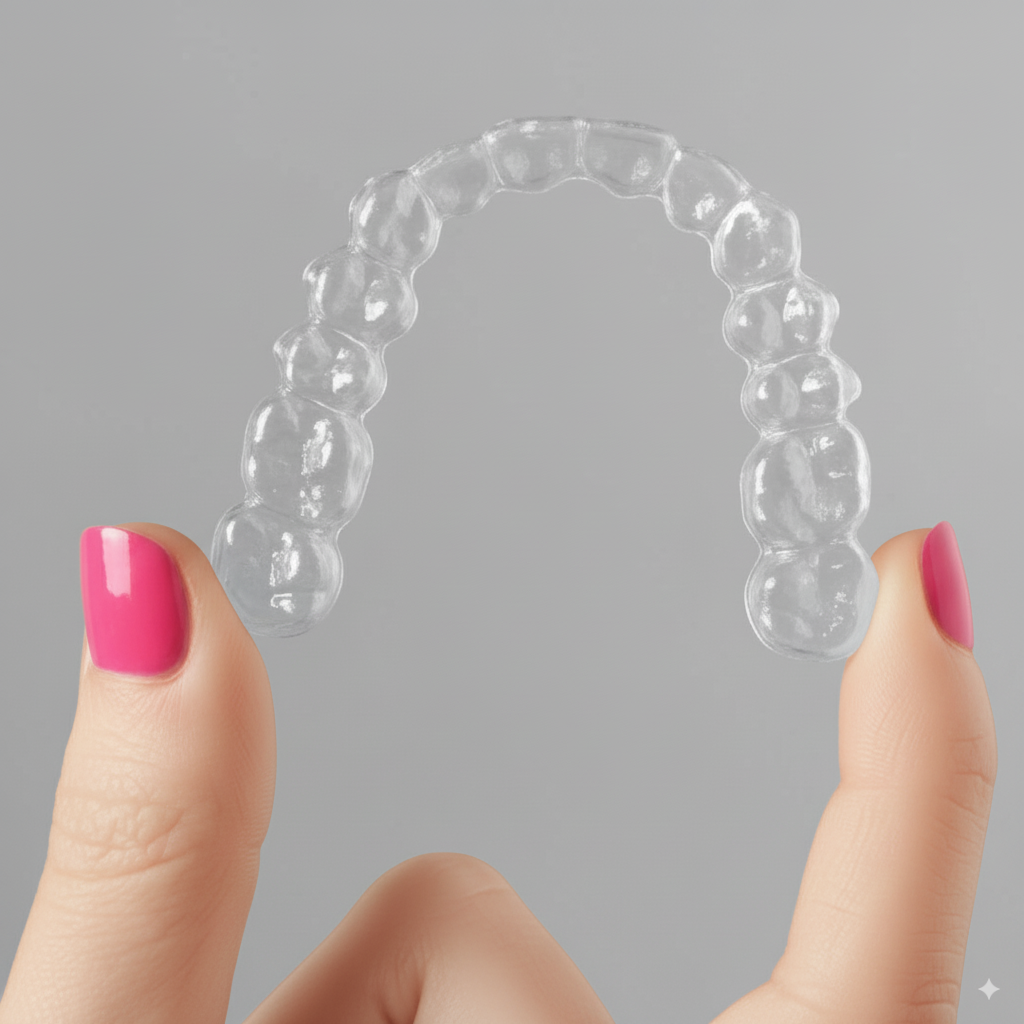
Clear removable retainers are thin, transparent trays custom-made to fit closely over the teeth.
Many patients like them because they are discreet and easy to remove for meals, brushing, and flossing. They may look similar to clear aligners, but they serve a different purpose: aligners move teeth, while retainers help hold teeth in place.
Clear retainers require consistent wear and careful storage. Because they are transparent, they are surprisingly easy to leave on a restaurant napkin or beside the bathroom sink.
When your retainer is not in your mouth, its safest home is its case—not your pocket, the lunch table, or anywhere the family dog can reach.
Hawley Retainers
A Hawley retainer is generally made with a durable acrylic base and a thin metal wire that runs across the front of the teeth.
This traditional design has been used successfully for many years. Hawley retainers are removable and may be adjustable in certain situations. Some children and teens also enjoy selecting a color or design for the acrylic portion.
The wire is more visible than a clear retainer, but a Hawley retainer can be durable and dependable when worn and cared for properly.
Fixed or Bonded Retainers
A fixed retainer usually consists of a thin wire bonded behind the front teeth. Because it remains in place, patients do not have to remember to put it in every night.
Fixed retainers are hidden from ordinary view, but they require careful brushing and flossing around the wire. The bonding should also be checked periodically because one section can occasionally become loose without being immediately obvious.
A bonded retainer may be used alone or together with a removable retainer, depending on the patient’s needs.
Vivera Retainers
Vivera retainers are clear, removable retainers made using digital technology associated with the Invisalign system. They may be an option for patients completing Invisalign, braces, or another form of orthodontic treatment.
Dr. Kendrick can explain whether Vivera or another retainer design is appropriate for your teeth and bite.
How Long Should You Wear a Retainer?
The exact wearing schedule varies by patient.
Immediately after active orthodontic treatment, Dr. Kendrick may instruct some patients to wear a removable retainer for most of the day, removing it only for eating, brushing, and flossing. Later, the schedule may be reduced to nighttime wear.
Long-term retainer wear is commonly recommended. Your personalized instructions are more important than a general schedule found online or borrowed from a friend.
If you are unsure how often to wear your retainer, ask before changing your routine. A retainer resting in its case cannot protect your smile—although it will remain impressively clean.
What If You Forget to Wear Your Retainer?
Life gets busy. A teenager may forget a retainer during a sleepover. An adult may discover it in a drawer after several weeks and realize that it suddenly feels much tighter.
Possible signs of tooth movement include:
- Your retainer feels unusually tight
- It no longer fits completely
- A space begins reopening
- Front teeth start overlapping
- Your bite feels different
- A bonded retainer feels loose
Do not force a retainer that will not seat properly or causes significant discomfort. Contact Kendrick Orthodontics so Dr.rick can evaluate the fit and recommend the appropriate next step.
Depending on the amount of movement, the solution might involve a new retainer, an adjustment, or limited orthodontic treatment.
What Should You Do If Your Retainer Is Lost or Broken?
Contact Kendrick Orthodontics promptly.
Teeth may begin moving while you are without a properly fitting retainer, particularly soon after active treatment. Waiting several weeks can turn a straightforward replacement into a more complicated situation.
Do not repair a cracked retainer with household glue, reshape it with hot water, or continue wearing an appliance with sharp or damaged edges.
And yes, dogs really do seem to consider retainers a special delicacy. Keeping yours inside its case—and placing the case somewhere a pet cannot reach—can prevent an expensive surprise.
How to Clean and Care for Your Retainer
Your exact cleaning instructions depend on the material and design of your retainer. Always follow the directions provided by Kendrick Orthodontics.
General care may include:
- Rinsing a removable retainer with cool or lukewarm water
- Cleaning it gently with an appropriate soft brush and recommended cleanser
- Keeping it in a protective, ventilated case when it is not being worn
- Removing it before eating unless instructed otherwise
- Keeping it away from pets and small children
- Cleaning carefully around a fixed retainer
- Bringing it to orthodontic appointments when requested
Avoid hot or boiling water because heat can distort some plastic retainers. Dishwashers, hot cars, direct sunlight, bleach, harsh chemicals, and abrasive toothpaste may also damage certain materials.
Never wrap your retainer in a napkin during a meal. Restaurant trash cans have claimed far too many perfectly good retainers.
When Should a Retainer Be Replaced?
Retainer lifespan depends on the material, frequency of wear, care, fit, and whether the patient clenches or grinds their teeth.
You may need a replacement if:
- The retainer is cracked, broken, or distorted
- It feels unusually loose
- It no longer fits correctly
- The wire is bent
- A bonded section has detached
- The appliance has become excessively worn
- The retainer has been lost
Contact the office rather than waiting to see whether the problem resolves on its own.
Can a Retainer Also Work as a Night Guard?
Retainers and night guards are not automatically interchangeable.
A retainer is primarily designed to maintain tooth positions. A night guard is generally designed to protect teeth from grinding or clenching. Some custom appliances may serve more than one purpose, but this depends on their design and the patient’s bite.
Do not begin wearing a separate night guard over your retainer without professional guidance. Dr. Kendrick can evaluate your bite and recommend an appropriate appliance.
Retainers for Children, Teens, and Adults
Retention matters at every age, but patients face different challenges.
Parents may need to help younger patients establish a routine. Teens may benefit from keeping a labeled case in a backpack. Adults sometimes return years after treatment because an old retainer has worn out or their teeth have begun to shift.
Whether you completed treatment recently or wore braces many years ago, an orthodontic evaluation can help determine what your smile needs now.
Frequently Asked Questions About Retainers
Do I need a retainer after braces or Invisalign?
Most patients need retention after active orthodontic treatment. Dr. Kendrick will recommend an appropriate retainer and wearing schedule based on your teeth and bite.
Will I have to wear my retainer forever?
Long-term wear is commonly recommended because tooth positions can change over time. The frequency may vary, so follow the personalized instructions provided by your orthodontist.
Why does my retainer feel tight?
A tight retainer may indicate that your teeth have shifted or that the appliance has changed shape. If it does not fit completely or causes significant discomfort, do not force it. Contact the office for guidance.
Can I use an old retainer?
Only wear an old retainer if it still fits correctly and is not damaged. Never force it over teeth that have noticeably shifted.
Can I get a new retainer if I was treated somewhere else?
In many cases, yes. Dr. Kendrick can examine your teeth and determine whether a new retainer can be made or whether tooth movement should be addressed first.
Do I need a referral?
No referral is required to schedule a consultation with Kendrick Orthodontics.
Protect the Smile You Worked Hard to Achieve
Finishing braces or Invisalign is a big moment, but maintaining your results requires an ongoing partnership between you and your retainer.
Wear it as instructed, keep it clean, store it safely, and contact the office promptly if it becomes lost, damaged, or uncomfortable.
If you need a replacement retainer, are concerned that your teeth have shifted, or want help protecting the results of previous orthodontic treatment, schedule a free consultation with Dr. Kendrick at Kendrick Orthodontics in Kissimmee, Florida.
Call (407) 870-9848 to schedule your visit.

Kendrick Orthodontics
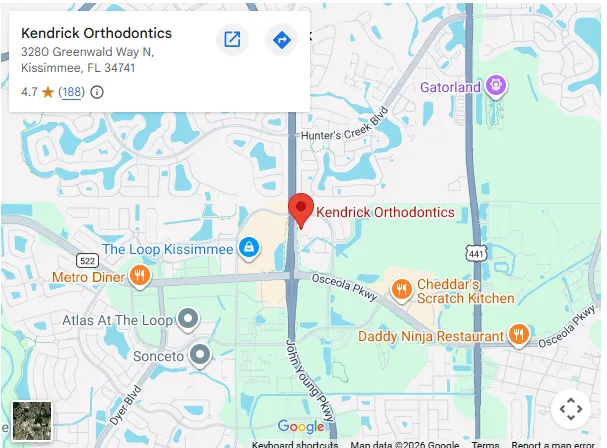
3280 Greenwald Way NKissimmee, FL 34741
Get Directions
(407) 870-9848
info@kendrickorthodontics.com
Kendrick Orthodontics offers comprehensive orthodontic care including clear aligners, TMJ/ TMD care and Custom and Damon Braces for both children and adults in and around the following areas: