Why Choose a Board-Certified Orthodontist in Kissimmee, FL?
Why Orthodontic Credentials Matter
Choosing an orthodontist is a big decision. You are trusting someone with your teeth, your bite, and the smile you or your child may live with for decades.
Naturally, most families have questions:
“Is every provider who offers braces an orthodontist?”
“What does board-certified actually mean?”
“And does it really make a difference?”
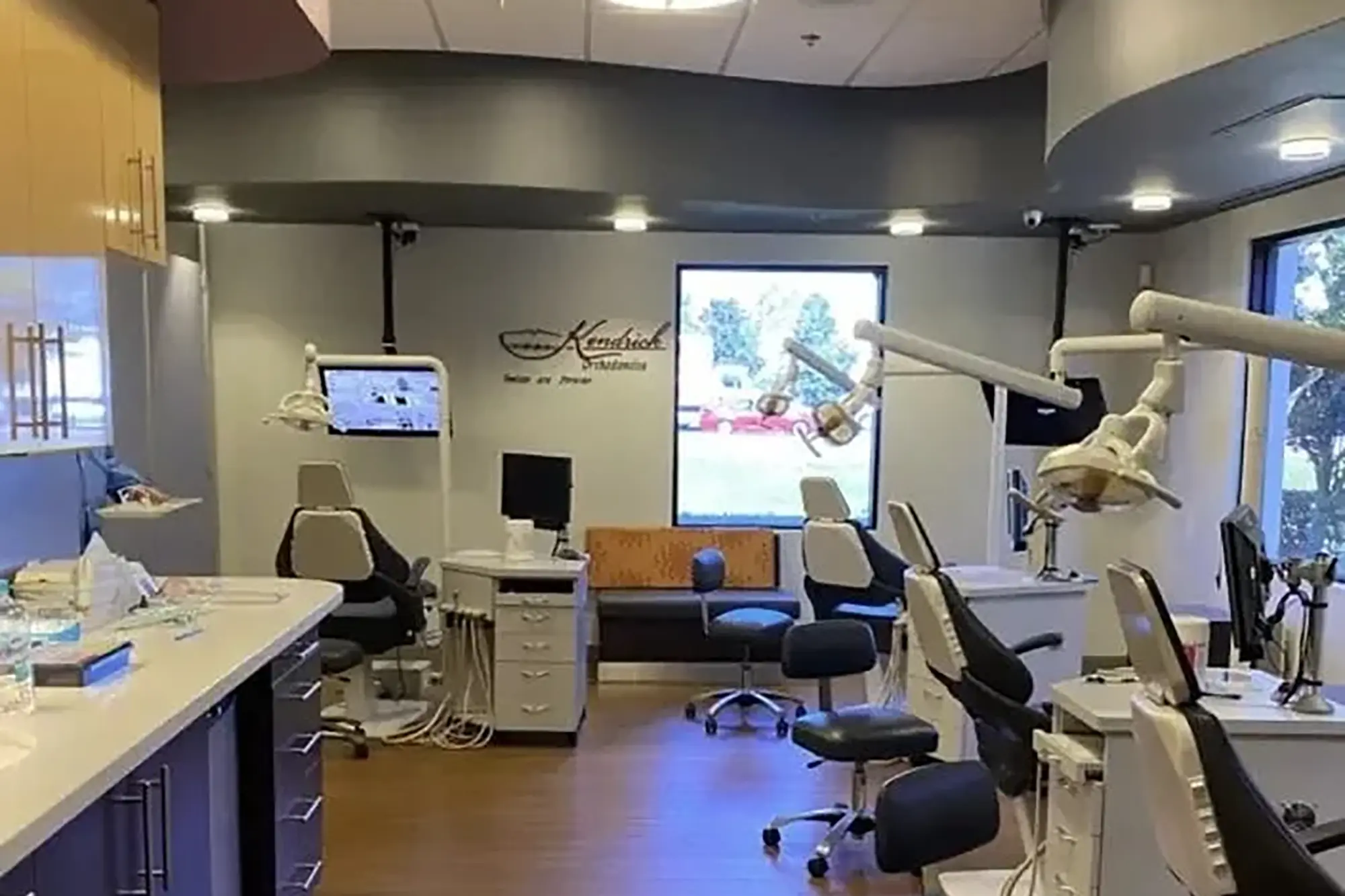
At Kendrick Orthodontics in Kissimmee, Dr. James Kendrick is a board-certified orthodontist with more than 45 years of experience treating children, teens, and adults. His approach goes beyond making the front teeth look straight. He carefully evaluates how the teeth, bite, jaws, and facial structures work together before recommending treatment.
What Is a Board-Certified Orthodontist?
An orthodontist is a dentist who has completed additional specialty education in orthodontics and dentofacial orthopedics after dental school.
Board certification is another voluntary step beyond becoming a licensed orthodontist.
To earn certification from the American Board of Orthodontics, an orthodontist must successfully complete a rigorous examination process developed and evaluated by experts in the specialty. Maintaining certification also reflects an ongoing commitment to professional standards and continued learning.
In plain English, board certification is not a weekend course, a new piece of equipment, or a badge automatically given to every orthodontist. It represents an additional professional commitment.
Dr. Kendrick is a Diplomate of the American Board of Orthodontics. His board certification complements decades of clinical experience and advanced orthodontic training.
Orthodontist vs. Dentist: What Is the Difference?
General dentists and orthodontists both play important roles in oral health, but their education and areas of focus are different.
A general dentist commonly provides examinations, cleanings, fillings, crowns, and preventive dental care.
After dental school, an orthodontist completes an accredited specialty residency focused on areas such as:
- Safe and controlled tooth movement
- Bite correction
- Jaw and facial development
- Orthodontic diagnosis and treatment planning
- Braces and clear-aligner therapy
- Retention and long-term stability
Some general dentists may offer braces or clear aligners. However, providing an orthodontic appliance does not automatically make a dentist an orthodontic specialist.
A simple comparison may help: your family doctor is important, but you might see a specialist when a particular medical concern requires advanced, focused training. Orthodontics works in a similar way.
Why Does Board Certification Matter to Patients?
Board certification means an orthodontist has chosen to measure professional knowledge and clinical judgment against standards established within the specialty.
For patients and parents, this additional commitment may provide greater confidence when selecting a doctor to supervise orthodontic treatment.
Careful Diagnosis
Crowding or crooked teeth may look straightforward, but the visible problem is not always the complete problem.
Before recommending treatment, Dr. Kendrick evaluates factors such as:
- How the upper and lower teeth fit together
- Jaw position and facial balance
- Tooth eruption and available space
- Overbite, underbite, crossbite, or open bite
- Previous orthodontic treatment
- Growth and dental development
- Long-term stability
Orthodontic treatment is not simply about lining up the six teeth people see in photographs. A beautiful smile should also be planned with the bite, function, and individual patient in mind.
Personalized Treatment Planning
Two patients can both have crowded front teeth and still need very different treatment plans.
A growing child may need monitoring or early intervention. A teenager may be considering braces or clear aligners. An adult may have an older crown, missing tooth, gum concerns, or previous orthodontic treatment that must be considered.
Dr. Kendrick does not rely on a one-size-fits-all plan. He considers the patient’s diagnosis, age, goals, bite, and long-term needs before explaining the available options.
Sometimes the best recommendation is to begin treatment. Sometimes it is to monitor growth and wait. Good orthodontic judgment includes knowing the difference.
Experience With Complex Cases
Some orthodontic concerns involve more than mild spacing or a slightly rotated tooth.
Patients may seek an experienced orthodontist for problems involving:
- Significant crowding
- Overbite or deep bite
- Underbite
- Crossbite
- Open bite
- Narrow dental arches
- Impacted or unerupted teeth
- Jaw-position concerns
- Relapse after previous orthodontic treatment
- Treatment requiring coordination with another dental or medical professional
Dr. Kendrick’s experience helps him evaluate the underlying problem rather than focusing only on its most visible symptom.
Long-Term Thinking
A quick cosmetic change may sound appealing, but orthodontic treatment should also consider how the teeth fit together and how stable the result may be.
Dr. Kendrick plans treatment with long-term function and retention in mind. That includes explaining why a particular option may be appropriate, what treatment is intended to accomplish, and how retainers help protect the result afterward.
After all, patients do not go through orthodontic treatment because they want straight teeth only until next Tuesday.
Meet Dr. James Kendrick
Dr. James Kendrick brings more than 45 years of orthodontic experience to every patient he treats. Over the course of his career, he has helped more than 30,000 children, teens, and adults improve their smiles and bites.
He completed dental school followed by a three-year specialty residency in orthodontics. Dr. Kendrick is a Diplomate of the American Board of Orthodontics and a member of the American Association of Orthodontists.
His education, board certification, and decades of hands-on experience allow him to evaluate both common orthodontic concerns and complex cases requiring advanced diagnosis and treatment planning.
Patients benefit from a doctor who has watched orthodontic methods and technology evolve over several decades while continuing to evaluate new treatment options carefully.
Technology can be extremely useful, but software does not replace clinical judgment. A scanner can create a remarkably detailed image of your teeth. It cannot sit across from a worried parent, explain a diagnosis in plain language, and decide what is appropriate for that particular child.
That part still requires an experienced doctor.
What Orthodontic Problems Does Dr. Kendrick Treat?
Patients visit Kendrick Orthodontics for many different reasons. Some are concerned about the appearance of their teeth. Others experience bite problems or have been told that their child’s teeth or jaws are not developing as expected.
Depending on the individual diagnosis, Dr. Kendrick evaluates concerns such as:
- Crowded or overlapping teeth
- Gaps and spacing
- Overbite
- Underbite
- Crossbite
- Open bite
- Narrow dental arches
- Impacted teeth
- Teeth that have shifted after previous treatment
- Developing orthodontic problems in children
- Bite or jaw-alignment concerns
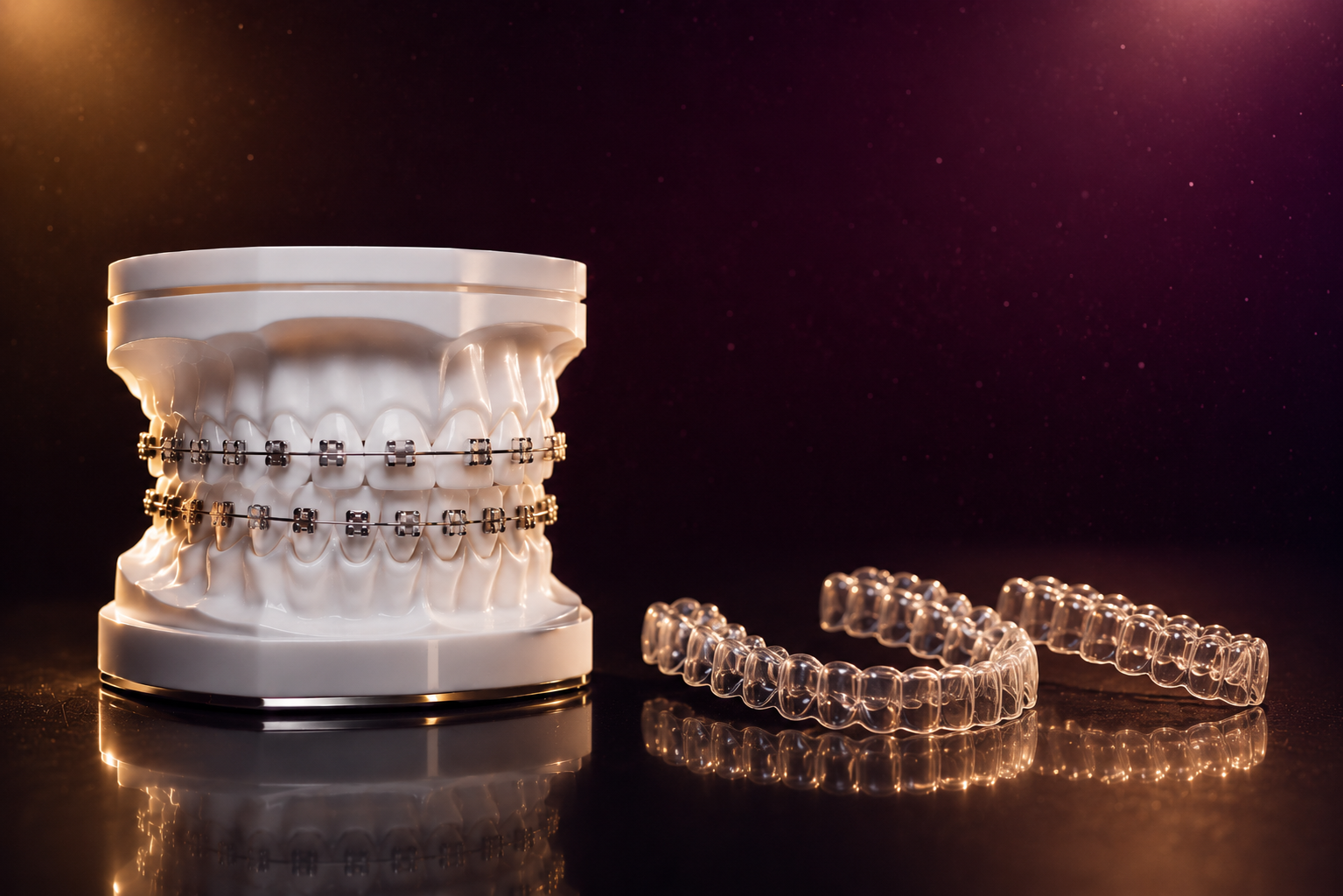
The appropriate treatment depends on much more than the name of the condition. Dr. Kendrick evaluates the patient’s complete orthodontic needs before discussing braces, Invisalign, expansion, monitoring, or another suitable approach.
Orthodontic Care for Children, Teens, and Adults
Orthodontic needs change at different stages of life.
Children
An early orthodontic evaluation can identify developing concerns involving tooth eruption, crowding, jaw growth, or the bite.
An evaluation does not automatically mean a child needs braces immediately. In many cases, Dr. Kendrick may recommend monitoring development until the timing is more appropriate.
Parents deserve to understand not only what is being recommended, but why it is being recommended now—or why waiting may be the better choice.
Teenagers
Teenagers may be candidates for braces, clear aligners, or another treatment approach depending on their diagnosis and ability to follow treatment instructions.
Dr. Kendrick considers the bite and treatment needs while also listening to what matters to the teenager.
Parents usually ask about treatment time, cost, and results. Teenagers often want to know how visible everything will be in school pictures. Both sets of questions are completely reasonable.
Adults
Adults can pursue orthodontic treatment at many ages.
Some want to address a concern they have had since childhood. Others notice their teeth shifting after previous treatment, or they need orthodontic care coordinated with restorative or periodontal treatment.
Dr. Kendrick evaluates the health of the teeth and supporting tissues, the bite, previous dental work, and the patient’s goals before recommending an approach.
What Should You Ask During an Orthodontic Consultation?
A good consultation should leave you with a clearer understanding of your condition and options—not a larger collection of confusing words.
Consider asking:
- What is the main orthodontic problem?
- How does it affect my teeth or bite?
- Is treatment needed now?
- What treatment options may be appropriate?
- Why do you recommend this particular approach?
- How long might treatment take?
- What is included in the estimated treatment fee?
- Will I need retainers afterward?
- Who will supervise my treatment?
- What could happen if I decide not to begin treatment now?
Dr. Kendrick explains his findings and recommendations so patients and parents can make informed decisions without feeling rushed.
Trusted Orthodontic Care Across Central Florida
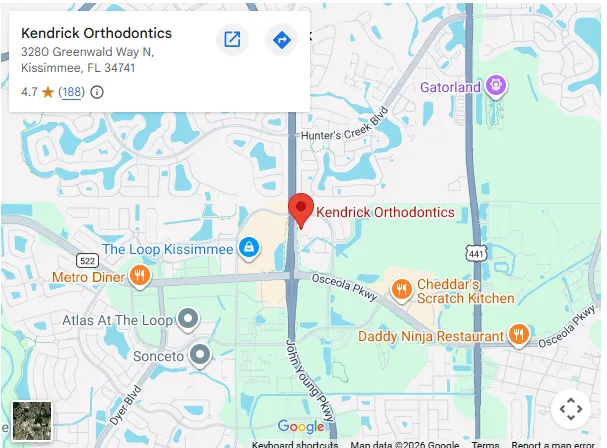
Families visit Kendrick Orthodontics from Kissimmee, Celebration, St. Cloud, Poinciana, Hunter’s Creek, and other Central Florida communities for experienced, personalized orthodontic care.
Patients are not placed into a standard treatment plan simply because they are the same age or have a similar-looking smile. Every case begins with an individual evaluation by Dr. Kendrick.
That personal attention matters—whether a parent is deciding if a child needs early treatment, a teenager is choosing between braces and Invisalign, or an adult is returning to orthodontic care after many years.
Frequently Asked Questions
Is every orthodontist board-certified?
No. Board certification through the American Board of Orthodontics is a voluntary credential beyond orthodontic specialty education and state licensure.
Is a board-certified orthodontist different from a general dentist?
Yes. An orthodontist completes an accredited specialty residency after dental school. A board-certified orthodontist completes an additional certification process through the American Board of Orthodontics.
Does Dr. Kendrick provide braces and Invisalign?
Dr. Kendrick evaluates each patient and recommends an appropriate treatment option based on individual orthodontic needs. Depending on the case, that may include braces, Invisalign, or another treatment approach.
Does Dr. Kendrick treat complex orthodontic cases?
Dr. Kendrick has extensive experience evaluating both common and complex orthodontic concerns. The recommended approach depends on the patient’s diagnosis, age, bite, dental health, and treatment goals.
Do I need a referral to see Dr. Kendrick?
No referral is required. Patients and parents may contact Kendrick Orthodontics directly to schedule a consultation.
Is the first consultation free?
Yes. Kendrick Orthodontics offers a free initial orthodontic consultation. During the visit, Dr. Kendrick can evaluate your orthodontic needs and explain the available options.
Choose Experience and Specialized Care Close to Home
Choosing an orthodontist should involve more than comparing advertisements or selecting the first treatment appliance you recognize.
Education, experience, diagnosis, communication, and careful supervision all matter.
At Kendrick Orthodontics, patients receive care directly guided by Dr. James Kendrick—a board-certified orthodontist with more than 45 years of experience who has treated more than 30,000 patients.
If you are considering braces, Invisalign, early orthodontic treatment, or care for a more complex bite concern, schedule a free consultation with Dr. Kendrick in Kissimmee, Florida.
Call (407) 870-9848 to schedule your visit.

Kendrick Orthodontics
3280 Greenwald Way NKissimmee, FL 34741
Get Directions
(407) 870-9848
info@kendrickorthodontics.com
Kendrick Orthodontics offers comprehensive orthodontic care including clear aligners, TMJ/ TMD care and Custom and Damon Braces for both children and adults in and around the following areas: