Overbite Treatment in Kissimmee, FL – A Practical Guide from a Trusted Orthodontist

What Is an Overbite?
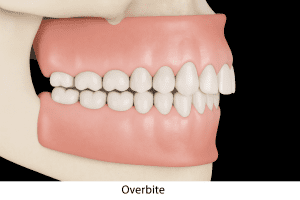
An overbite—sometimes called a deep bite—is when the upper front teeth overlap the lower front teeth more than they should when you bite down.
A small amount of overlap is normal. When the upper teeth cover too much of the lower teeth, however, it may affect the appearance of the smile, the way the teeth come together, and the long-term health of the teeth and gums.
Many children, teens, and adults with a deep overbite also have crowded or protruding front teeth. Some cases are easy to see, while others are discovered during a dental or orthodontic examination.
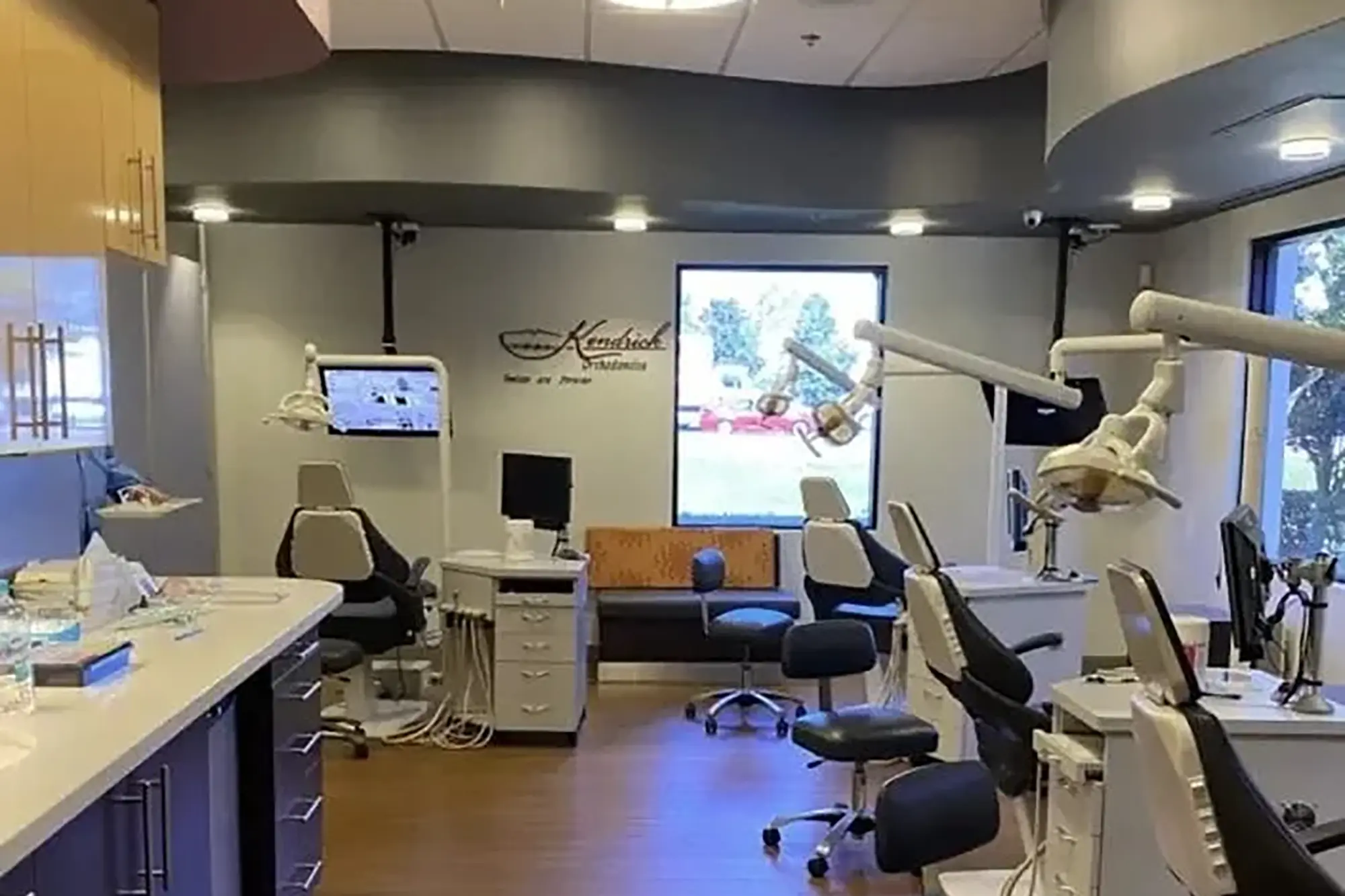
At Kendrick Orthodontics, we provide overbite treatment in Kissimmee, Florida, for children, teens, and adults. An orthodontic evaluation can determine what type of overbite is present and whether treatment or monitoring is recommended.
Signs You or Your Child May Have an Overbite
Common signs include:
- The upper front teeth cover most of the lower front teeth when biting
- Front teeth that appear too far forward or seem to “stick out”
- Difficulty biting into foods such as sandwiches or apples
- Wear, flattening, or chipping along the edges of the front teeth
- Lower teeth that contact the roof of the mouth or the gums behind the upper teeth
- A smile that looks unusually deep or closed
Sometimes parents notice that they can barely see their child’s lower front teeth when the child smiles. An adult may first notice that the edges of the front teeth are becoming flatter or that the bite no longer feels comfortable.
If you notice any of these signs, an orthodontic evaluation can help explain what is happening and which options make sense for your bite.
Why Can a Severe Overbite Be a Problem?
A pronounced overbite is more than a cosmetic concern. Depending on the type and severity, it may contribute to:
- Excessive wear, flattening, or chipping of the front teeth
- Irritation of the gums or roof of the mouth
- Difficulty biting or chewing certain foods
- Jaw or chewing-muscle discomfort in some patients
- Greater risk of injury when the upper front teeth protrude
- Difficulty cleaning crowded or poorly positioned teeth
Correcting a deep bite may improve how the teeth fit together, reduce uneven pressure, and create a more open, balanced smile. Expected results vary according to the patient’s bite and treatment needs.
What Causes an Overbite?
An excessive overbite may develop because of:
- Genetics and inherited jaw-growth patterns
- Differences in the size or position of the upper and lower jaws
- Crowding or spacing that affects the position of the front teeth
- Early loss of baby teeth that allows other teeth to shift
- Certain childhood oral habits
- A combination of tooth-position and jaw-position factors
During an orthodontic evaluation, Dr. James Kendrick examines whether the overbite is primarily related to tooth position, jaw relationships, or a combination of both.
That distinction matters because two people with similar-looking smiles may require different treatment approaches.
Overbite Treatment for Children and Teens
Growing patients may have treatment options that take advantage of continuing dental and jaw development.
The American Association of Orthodontists recommends an initial orthodontic check-up when a problem is first recognized and no later than age 7. This does not mean every child needs treatment at that age.
In many cases, the orthodontist simply monitors growth and waits for the most appropriate time to begin treatment. Earlier treatment may be helpful when a developing bite problem could benefit from intervention.
How Overbites May Be Treated in Growing Patients
Depending on the type and severity of the overbite, treatment may include:
- Braces to align the teeth and reduce excessive overlap
- Clear aligners in suitable cases
- Elastics to help coordinate the upper and lower teeth
- Growth-guiding appliances when clinically appropriate
- Monitoring until the timing is right
For example, a teenager with a deep overbite and crowded upper teeth may receive braces with elastics. As the teeth become straighter and the bite improves, the smile may look more open and the front teeth may be better protected from uneven wear.
The recommended treatment and expected timeline are determined individually.
Overbite Treatment for Adults
Adults can also receive treatment for many types of overbite. Although adult jaw growth is complete, braces and clear aligners can still move teeth and improve the bite in suitable cases.
Treatment options for adults may include:
- Metal or ceramic braces for detailed tooth control
- Clear aligners for patients who prefer a removable, less noticeable option
- Elastics to help coordinate the upper and lower arches
- Coordinated orthodontic and surgical treatment for certain significant skeletal overbites
Many adults come to us saying, “My teeth look fairly straight, but my bite feels off and my front teeth are wearing down.”
A carefully planned course of braces or aligners may reduce an excessive overbite, improve how the teeth meet, and help protect the front teeth. An examination is necessary to determine which option best fits the patient’s needs.
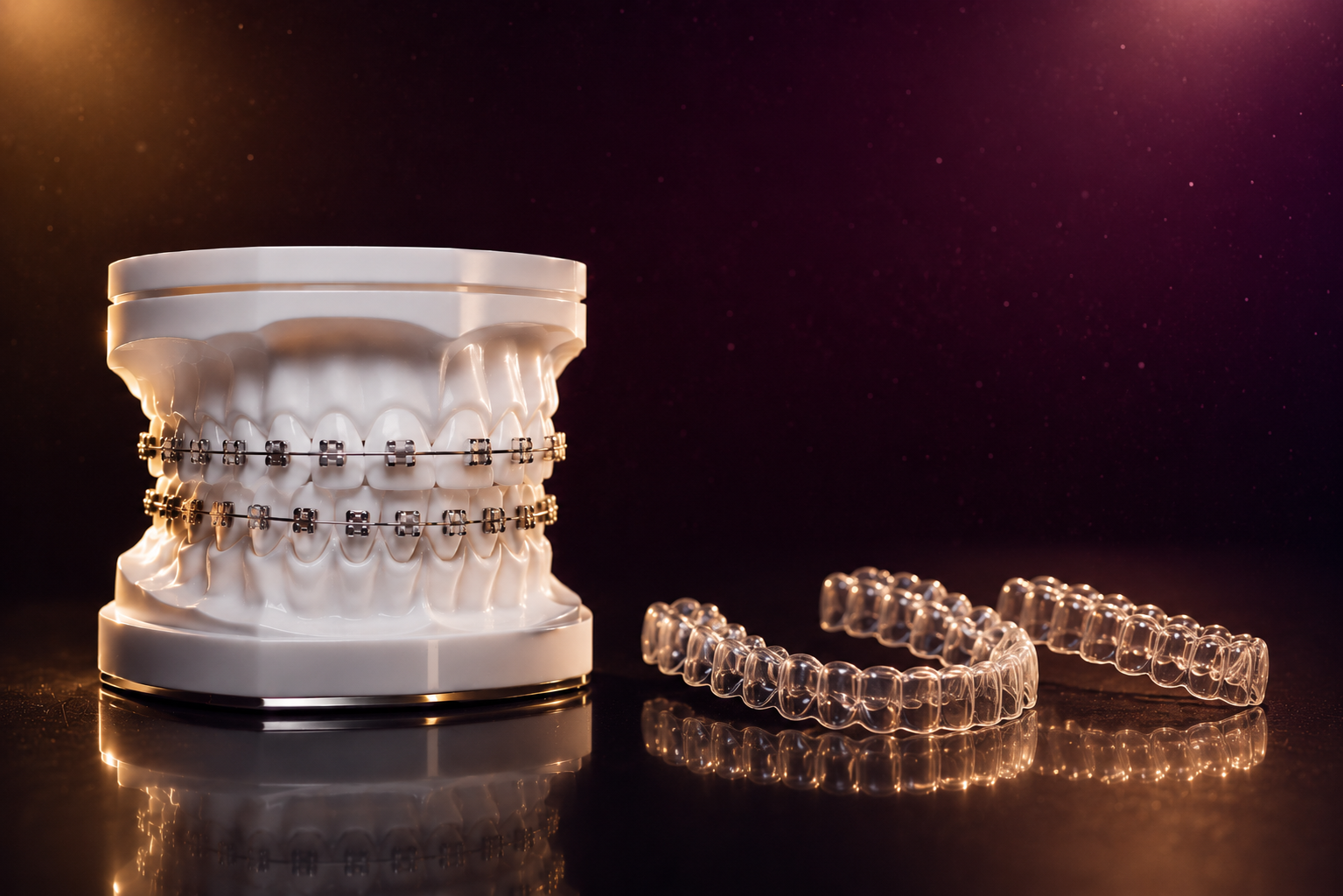
Braces vs. Clear Aligners for Overbite Correction
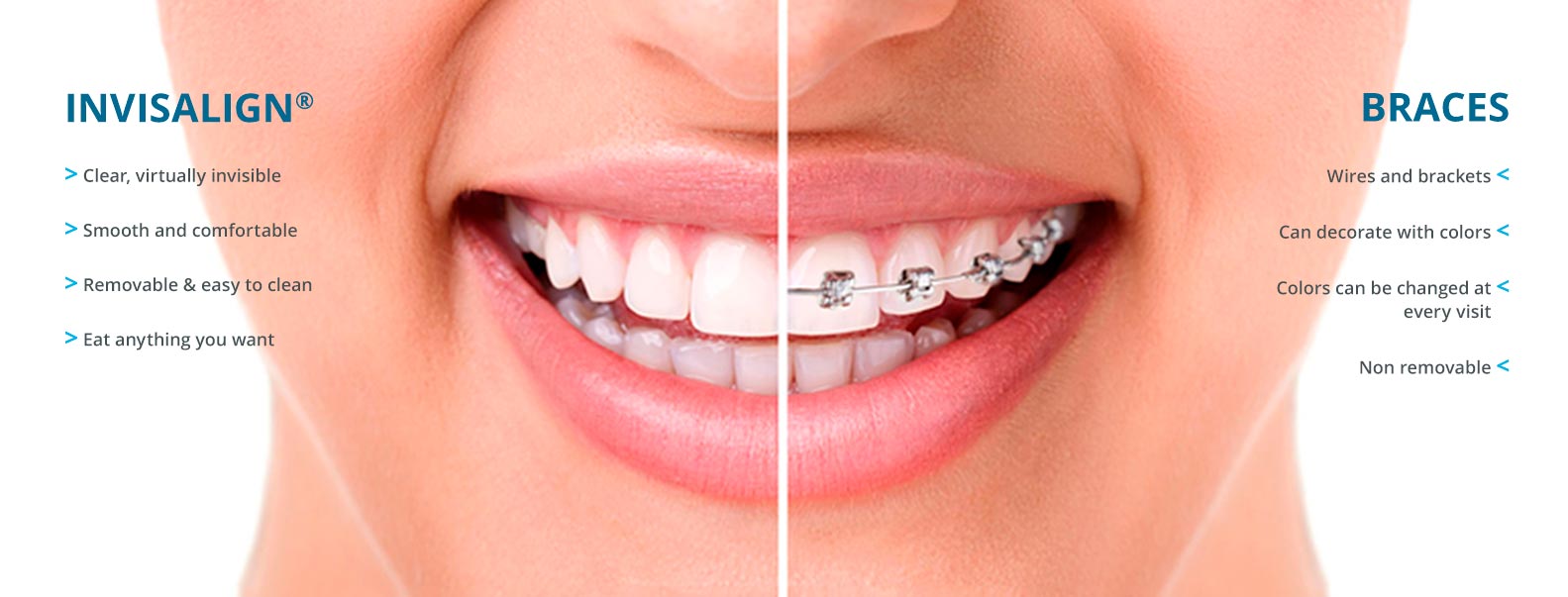
Both braces and clear aligners may be used to treat certain overbites. The best choice depends on the cause and severity of the bite problem, the tooth movements required, and the patient’s ability to follow the treatment plan.
Braces
Braces may be considered when:
- The overbite requires detailed tooth control
- Crowding or other bite problems are also present
- Elastics or other orthodontic components are needed
- The case involves more complex tooth movement
Because braces remain attached to the teeth, they work continuously and do not depend on the patient remembering to put them back in after eating.
Clear Aligners
Clear aligners may be considered when:
- The required movements can be managed with aligners
- The patient prefers a removable, less noticeable appliance
- The patient can wear the aligners as directed
- Attachments or elastics can provide the necessary control
At your consultation, Dr. Kendrick can explain which option is better suited to your particular bite, lifestyle, and treatment goals.
When Should You See an Orthodontist About an Overbite?
Consider scheduling an orthodontic evaluation if:
- The upper front teeth cover most of the lower front teeth
- Your child’s front teeth protrude or are frequently bumped
- The lower teeth contact the roof of the mouth or gums
- You notice wear, chipping, or flattening of the front teeth
- The bite feels uncomfortable or uneven
- The smile appears unusually deep or closed
- An overbite has returned after previous orthodontic treatment
An evaluation does not automatically mean treatment must begin immediately. In some cases, monitoring dental development or jaw growth may be the best next step.
Frequently Asked Questions About Overbites

Is an overbite the same as an overjet?
No. An overbite describes how much the upper front teeth overlap the lower front teeth vertically. Overjet describes how far the upper front teeth extend forward horizontally. A patient may have one condition or both.
Can an overbite correct itself?
An excessive overbite does not usually correct itself, although the bite may change as a child grows and permanent teeth emerge. An orthodontist can determine whether the bite should be monitored or treated.
Can braces correct an overbite?
Braces may correct many overbites by moving the teeth and improving how the upper and lower arches fit together. Elastics or other orthodontic components may also be recommended.
Can Invisalign correct an overbite?
Invisalign or another clear-aligner system may be suitable for certain overbites. The recommendation depends on the required tooth movements, jaw relationships, complexity of the case, and the patient’s ability to wear the aligners as directed.
Do adults with overbites always need jaw surgery?
No. Many adult overbites may be treated with braces, clear aligners, elastics, or other orthodontic components. Coordinated orthodontic and surgical treatment may be considered for certain significant skeletal cases.
Overbite Treatment in Kissimmee, FL
Treating an overbite may improve how the teeth fit together, make biting and chewing more comfortable, and help protect the front teeth from uneven wear.
At Kendrick Orthodontics in Kissimmee, Florida, board-certified orthodontist Dr. James Kendrick evaluates each patient’s teeth, bite, and jaw relationships before recommending treatment. Options may include metal or ceramic braces, clear aligners, elastics, growth-guiding appliances, or coordinated care.
Whether you are a parent concerned about your child’s bite or an adult ready to address a long-standing overbite, our team is here to help.
Call (407) 870-9848 or schedule a free consultation to learn which options fit your needs.

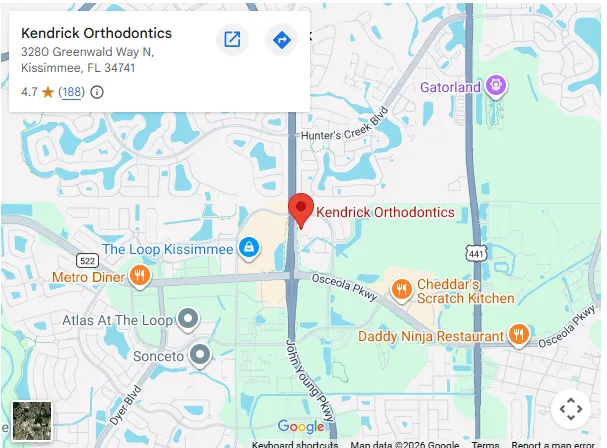
Kendrick Orthodontics
3280 Greenwald Way NKissimmee, FL 34741
Get Directions
(407) 870-9848
info@kendrickorthodontics.com
Kendrick Orthodontics offers comprehensive orthodontic care including clear aligners, TMJ/ TMD care and Custom and Damon Braces for both children and adults in and around the following areas: