What Is an Underbite?

Understanding an Underbite
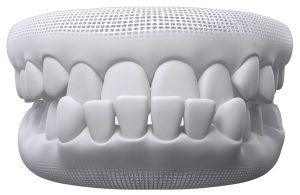
An underbite is a bite problem where the lower front teeth sit in front of the upper front teeth when you bite down. In some people, the lower jaw can look like it “sticks out” compared to the upper jaw.
A small mismatch can be easy to miss, but a more noticeable underbite can change how your smile looks, how comfortably you chew, and how your teeth wear over time.
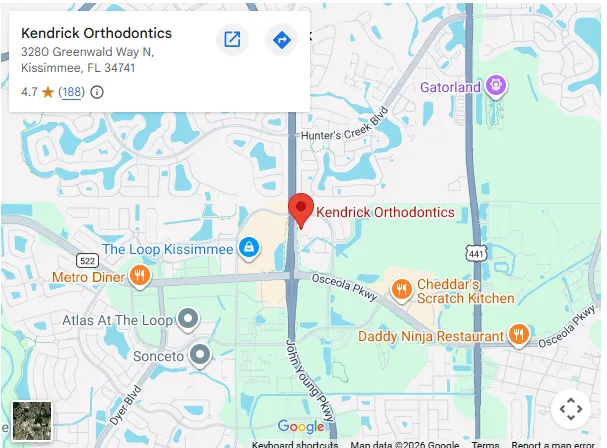
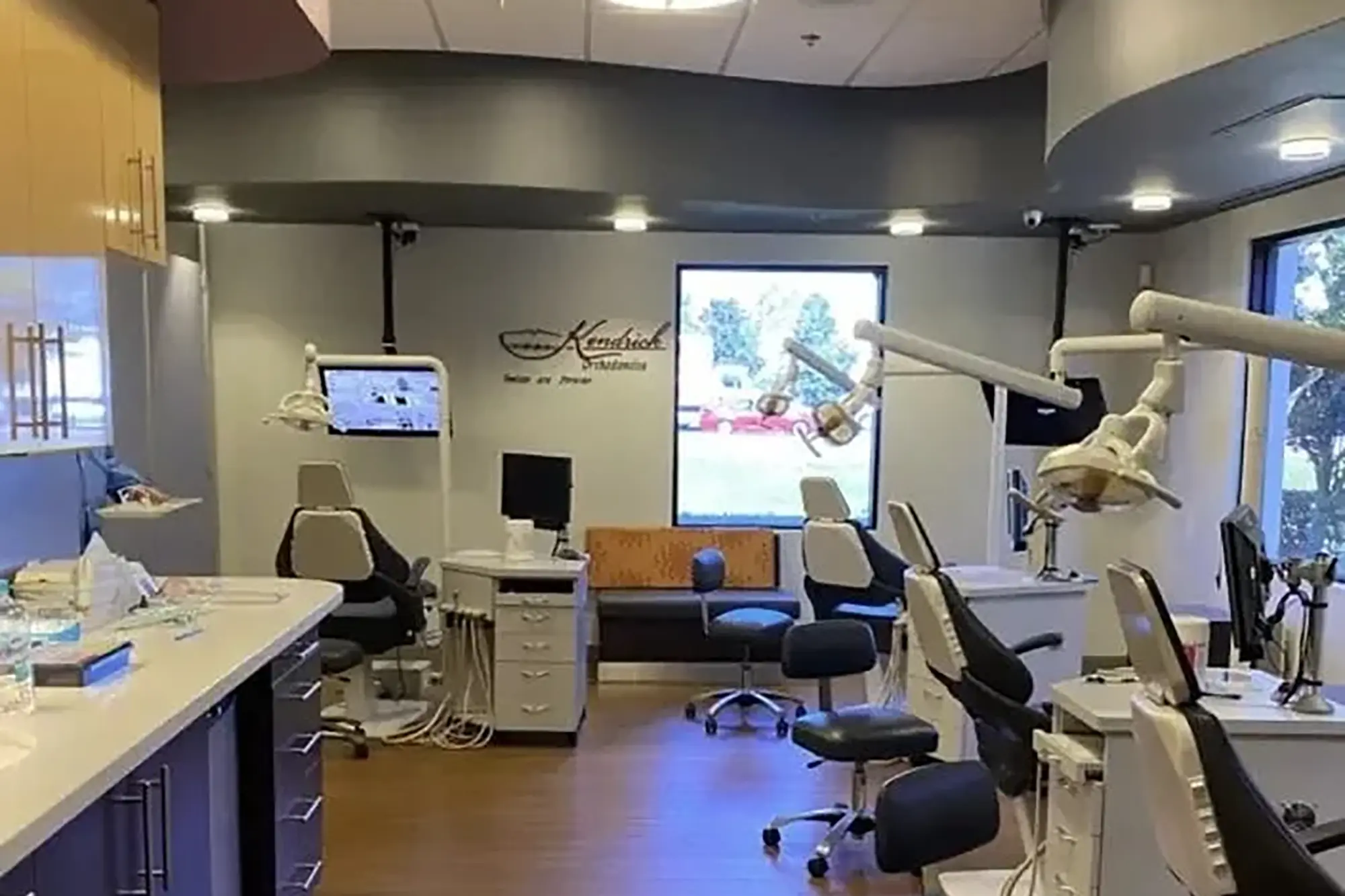
At Kendrick Orthodontics, we provide underbite treatment in Kissimmee, Florida using braces and Invisalign for children, teens, and adults from Orlando and across Central Florida.
Signs You or Your Child May Have an Underbite
Common signs include:
- Lower front teeth sit in front of the upper front teeth when biting together
- Chin looks more prominent, or the lower jaw appears ahead of the upper jaw
- Trouble biting into foods like sandwiches, pizza, or apples
- Wear, flattening, or chipping on the front teeth
- Jaw tension or discomfort in the cheeks and lower jaw muscles
If you notice these signs, an orthodontic evaluation is the best way to confirm what’s going on and which options make sense for your bite.
Why an Underbite Can Be a Problem
A noticeable underbite is more than a cosmetic issue. Left untreated, it can contribute to:
- Excessive wear, flattening, or chipping of the front teeth
- Difficulty biting and chewing certain foods
- Higher risk of gum recession around the front teeth in some patients
- Jaw joint or muscle discomfort in some cases
- Facial imbalance that some patients don’t like
- Speech changes in certain situations
Correcting the bite helps protect teeth and gums, improves function, and often creates a more balanced smile and profile.
What Causes an Underbite?
An underbite can develop for several reasons, including:
- A lower jaw that grows larger or farther forward
- A smaller or less forward upper jaw
- Crowding or early loss of baby teeth that changes how teeth drift in
- Genetics (jaw size and shape often run in families)
- A mix of tooth-position and jaw-position factors
During your visit, Dr. James Kendrick will take photos, X-rays, and a digital scan to determine whether the issue is mostly dental, skeletal, or both. That’s how we build a truly customized plan. Dr. James Kendrick completed advanced specialty training in orthodontics beyond dental school and has experience evaluating both routine and complex bite problems.
Underbite Treatment for Children and Teens
For growing patients, early treatment can make a real difference because the jaws are still developing.
Depending on the case, treatment may include:
- Palatal expanders and growth-guiding appliances to support upper jaw development
- Braces with elastics to improve how the upper and lower teeth fit together
- Functional appliances or facemask therapy in select cases
- Monitoring in mild cases until the timing is right
The American Association of Orthodontists recommends a first orthodontic check-up by age 7, which helps catch issues like crossbites and underbites early—before they become more complex.
Underbite Treatment for Adults
Adults can absolutely correct many underbites, even though the jaws are no longer growing. Modern orthodontics gives us strong, predictable tools.
Treatment may include:
- Braces (metal or ceramic) for detailed control
- Clear aligners such as Invisalign for a more discreet option
- Elastics to help coordinate the bite
- Expansion or other appliances in select adult cases
- Orthodontics plus jaw surgery for severe skeletal underbites, when needed
Many adults tell us, “My teeth look straight, but my bite feels off,” or “My front teeth are wearing down.” With a careful plan, we can often improve comfort, function, and long-term tooth health—while also softening the look of the bite.
Braces vs. Invisalign for Underbite Correction
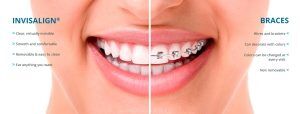
Invisalign vs. Braces — Which One Fits Your Lifestyle?
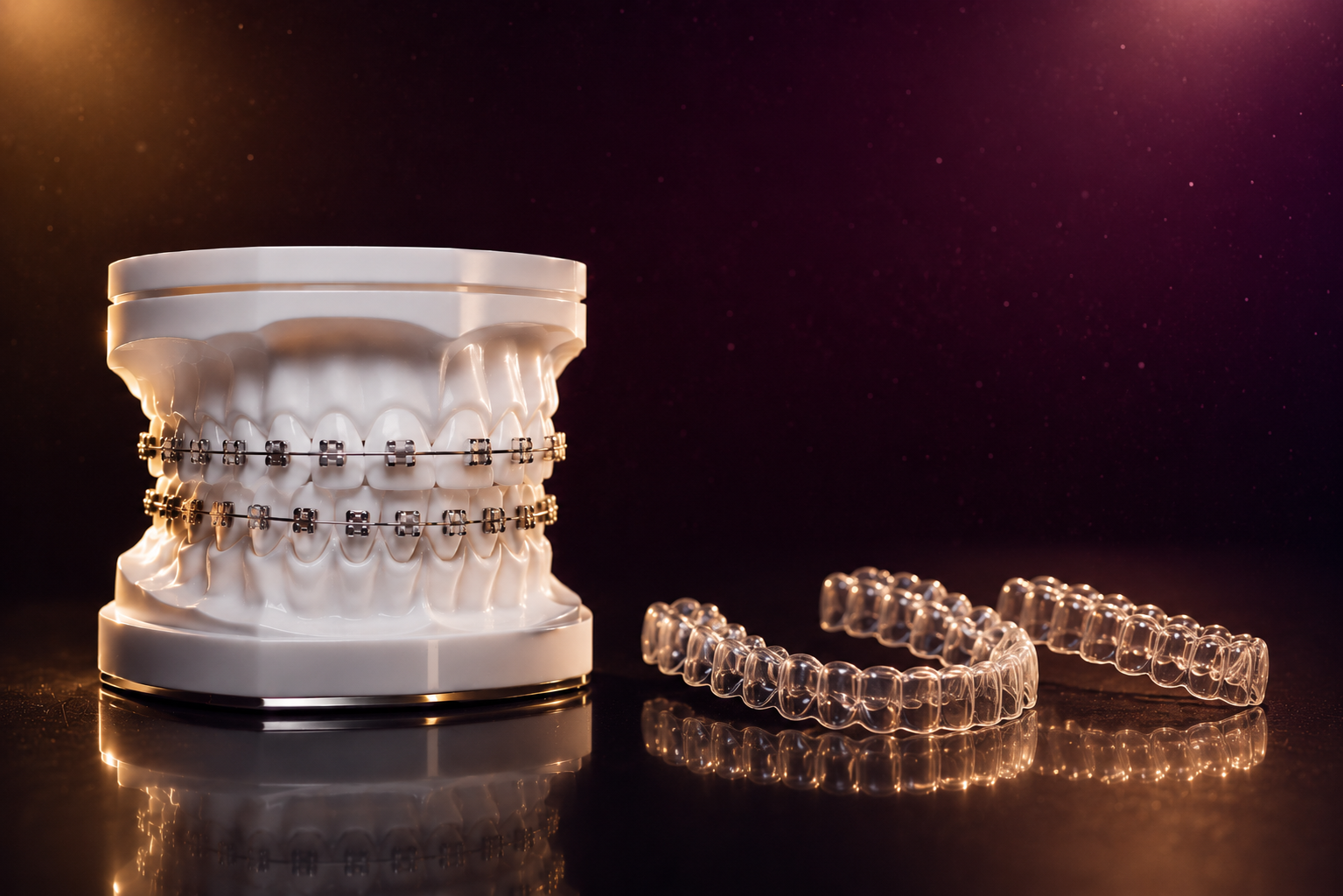
Both braces and Invisalign can help correct certain underbites. The best option depends on the jaw relationship, severity, and your goals.
Braces
- Work 24/7 because they’re always on
- Great for moderate to more complex bite corrections
- Available in metal or more discreet ceramic
- Allow very precise finishing
Clear aligners (Invisalign)
- Nearly invisible and removable
- Often ideal for mild to moderate cases when worn as directed
- Can be combined with attachments and elastics for added control
At your consultation, Dr. Kendrick will explain which treatment option is best suited to your specific bite, goals, and long-term oral health.
When Should You See an Orthodontist About an Underbite?
Schedule an evaluation if:
- Your child’s front teeth meet edge-to-edge, or the lower front teeth sit ahead of the upper front teeth
- You see wear, flattening, or chipping on the front teeth
- Your bite feels uneven or doesn’t come together comfortably
- You dislike the appearance of a strong or prominent chin
- You had orthodontic treatment before, but the underbite returned
An early visit can prevent a developing issue from becoming a larger, more complicated problem later.
Frequently Asked Questions About Underbites
Can an underbite correct itself?
An underbite does not usually correct itself without treatment, although its appearance and severity may change as a child grows. An orthodontic evaluation can determine whether monitoring or treatment may be appropriate.
What age should underbite treatment begin?
The right timing depends on the cause and severity of the underbite and the child’s stage of growth. The American Association of Orthodontists recommends an initial orthodontic check-up no later than age 7, but an evaluation does not necessarily mean treatment must begin immediately.
Can braces correct an underbite?
Braces may correct certain dental underbites by moving the teeth into better positions. Cases involving a significant jaw imbalance may require additional appliances or other treatment. An orthodontist must examine the teeth and jaw relationship before recommending an approach.
Can Invisalign correct an underbite?
Invisalign or another clear-aligner system may be appropriate for some mild or moderate underbites. Suitability depends on the type of tooth movement and bite correction required, as well as the patient’s ability to wear the aligners as directed.
Does an adult underbite always require jaw surgery?
No. Some adult underbites may be treated with braces or clear aligners, sometimes with elastics or other orthodontic components. More significant skeletal underbites may require coordinated orthodontic and surgical treatment. An examination is necessary to determine which options may be appropriate.
Trusted Underbite Treatment in Kissimmee, FL
Correcting an underbite can change how your smile looks and feels—and help protect your teeth for years. At Kendrick Orthodontics in Kissimmee, FL, board-certified orthodontist Dr. James Kendrick uses advanced diagnostics, modern braces, and Invisalign to create an efficient plan tailored to your needs.
Call us at (407) 870-9848 or click “Schedule a Free Consultation” to find out which treatment is right for you.

Kendrick Orthodontics
3280 Greenwald Way NKissimmee, FL 34741
Get Directions
(407) 870-9848
info@kendrickorthodontics.com
Kendrick Orthodontics offers comprehensive orthodontic care including clear aligners, TMJ/ TMD care and Custom and Damon Braces for both children and adults in and around the following areas: